From Factory to Luxury Hotel — Why Understanding the Story Matters
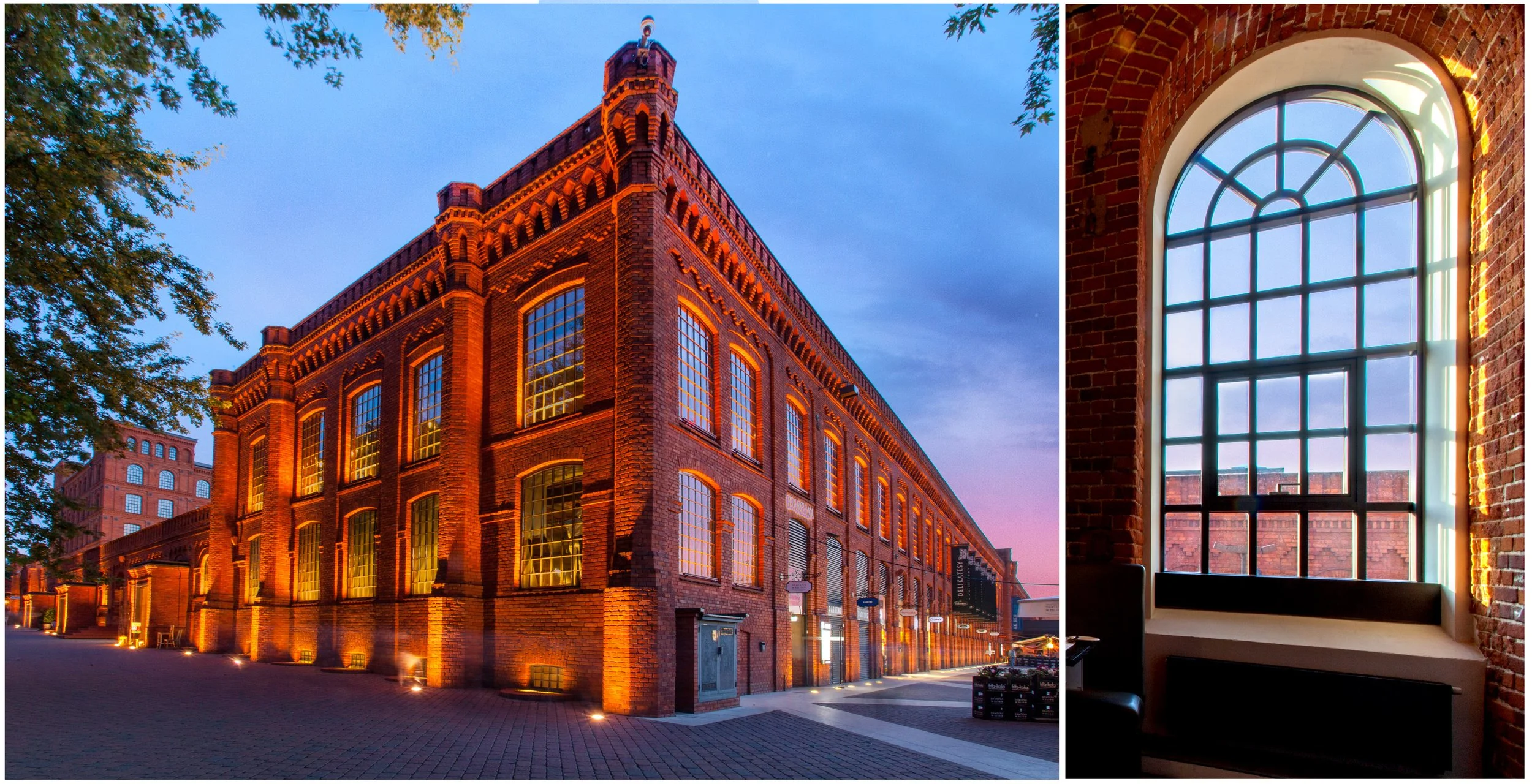
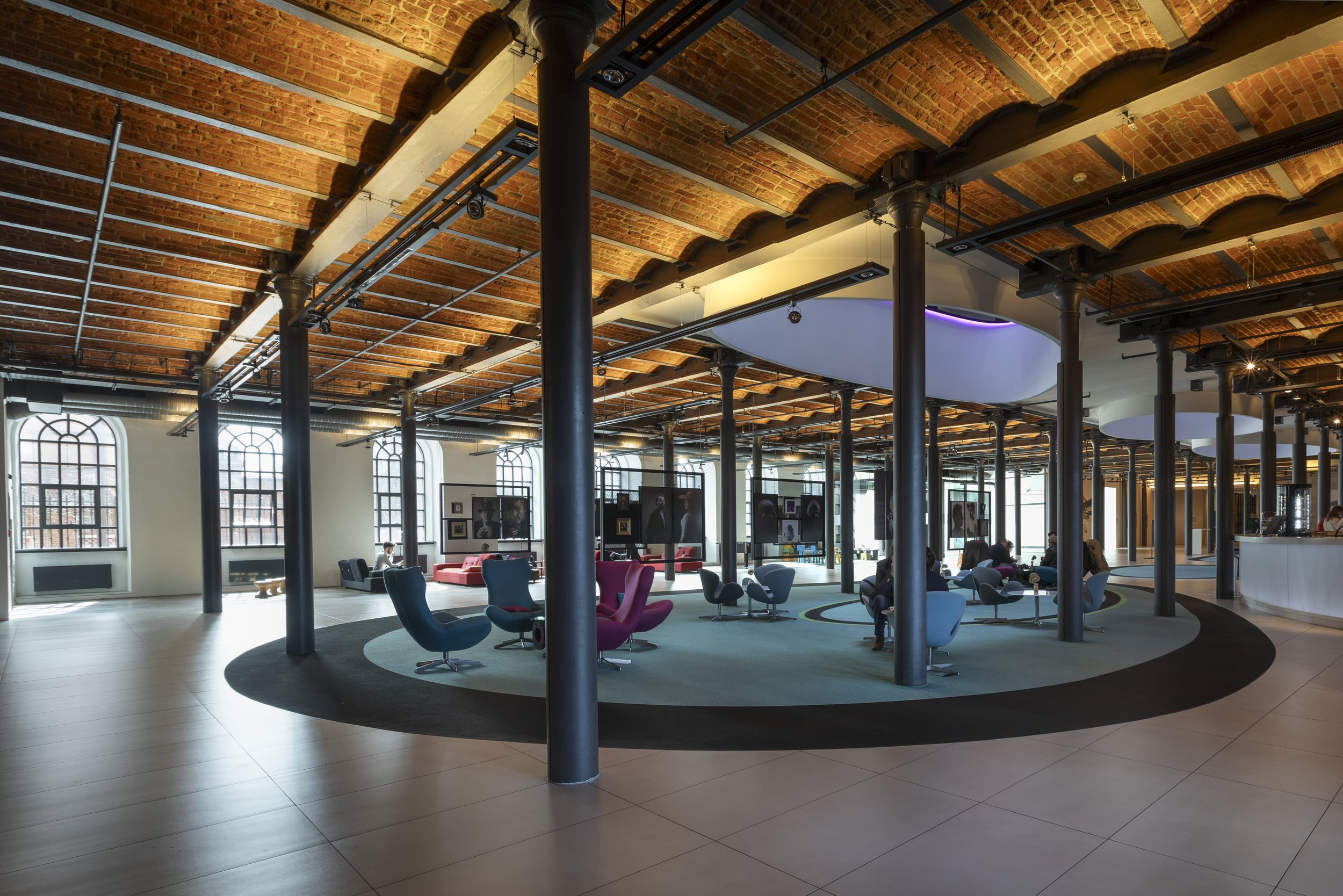
What is now a luxurious hotel in Łódź was once the Poznański factory, part of the city's remarkable industrial heritage.
Today, the character of that history has been transformed into a completely different experience: a sophisticated hotel where historic architecture meets contemporary luxury.
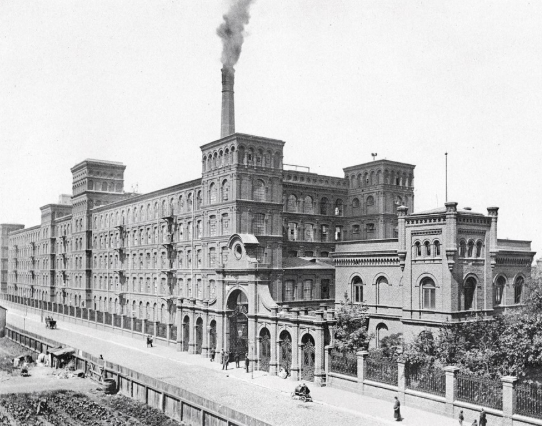
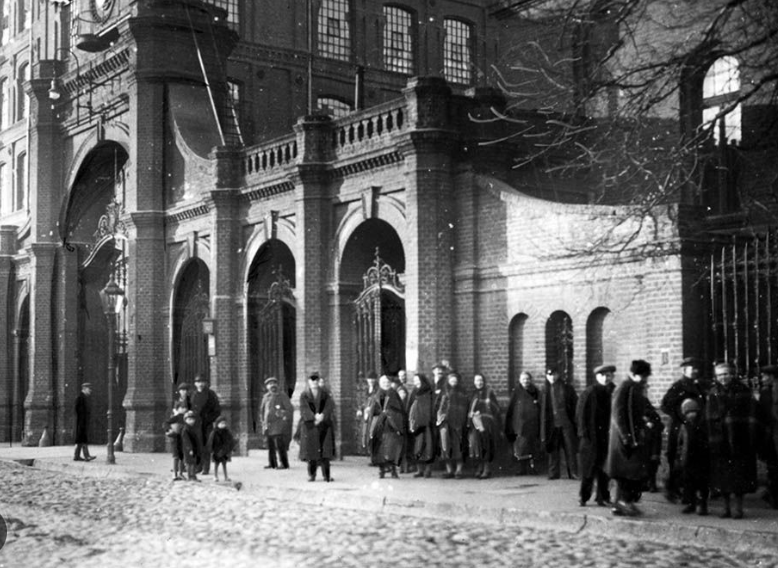
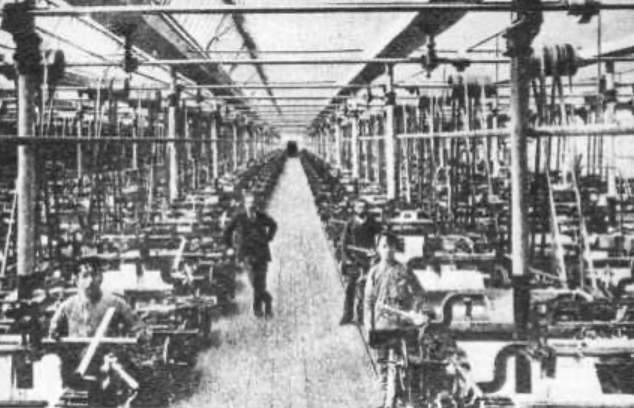
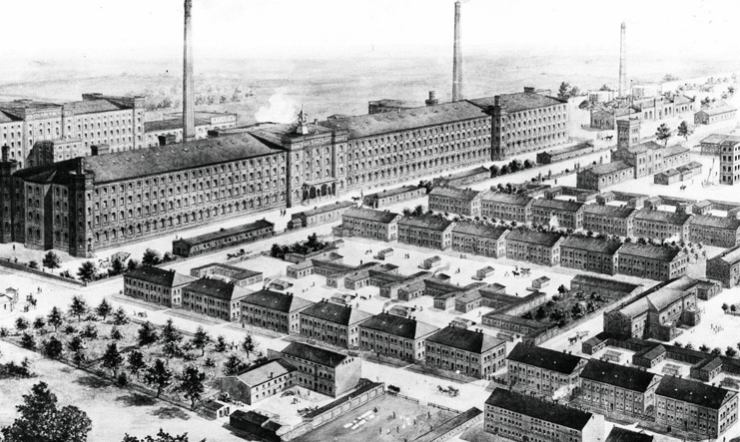
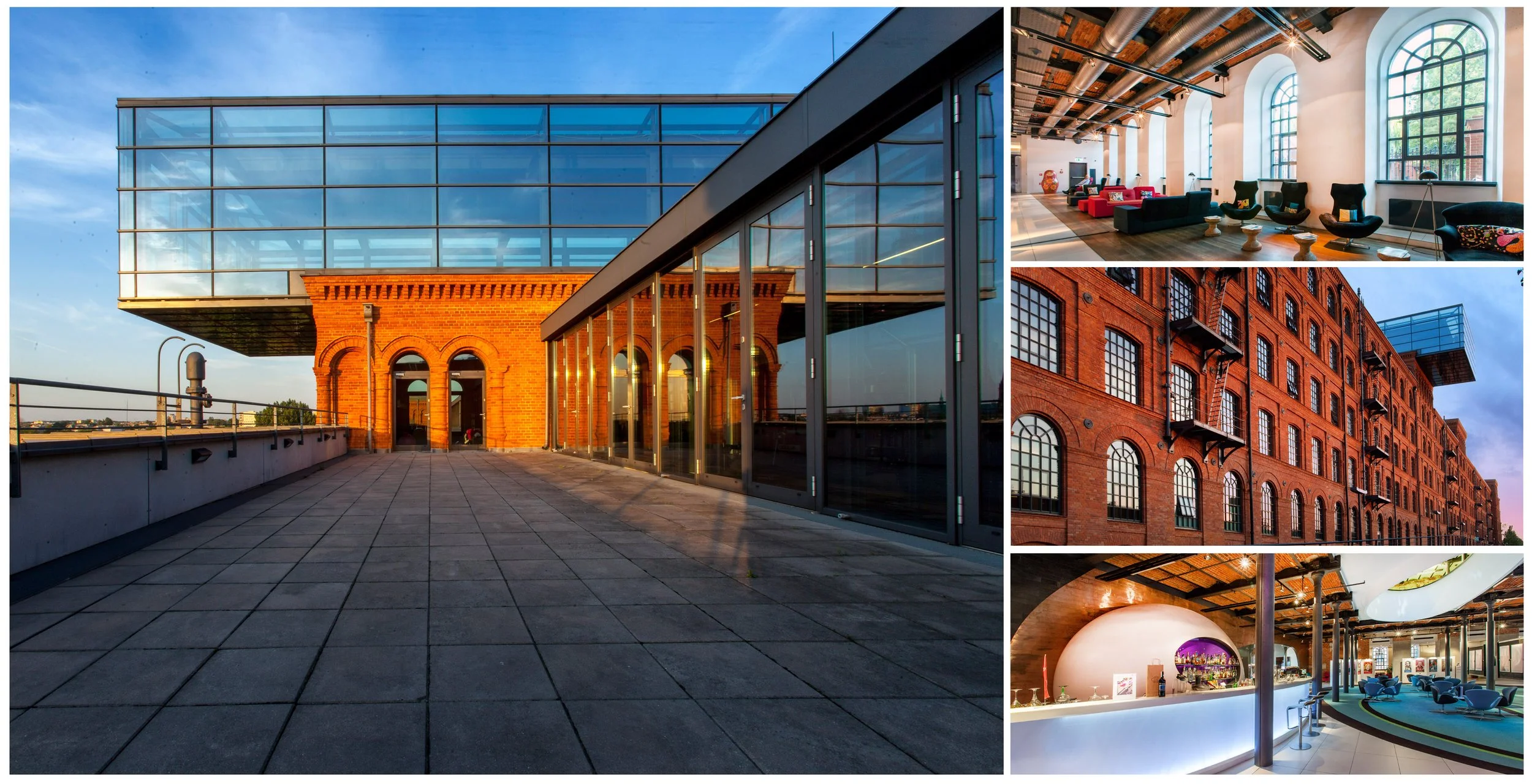
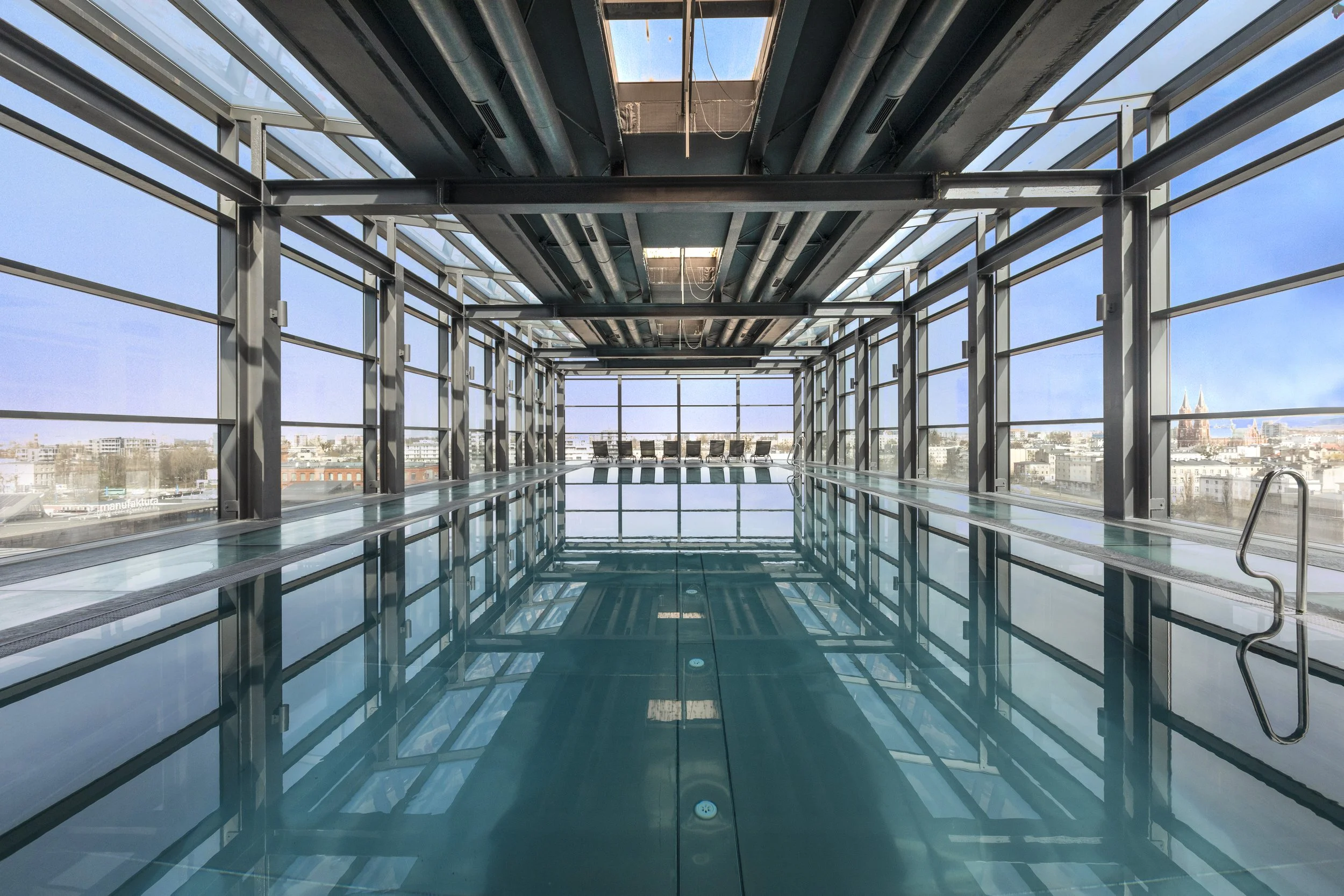
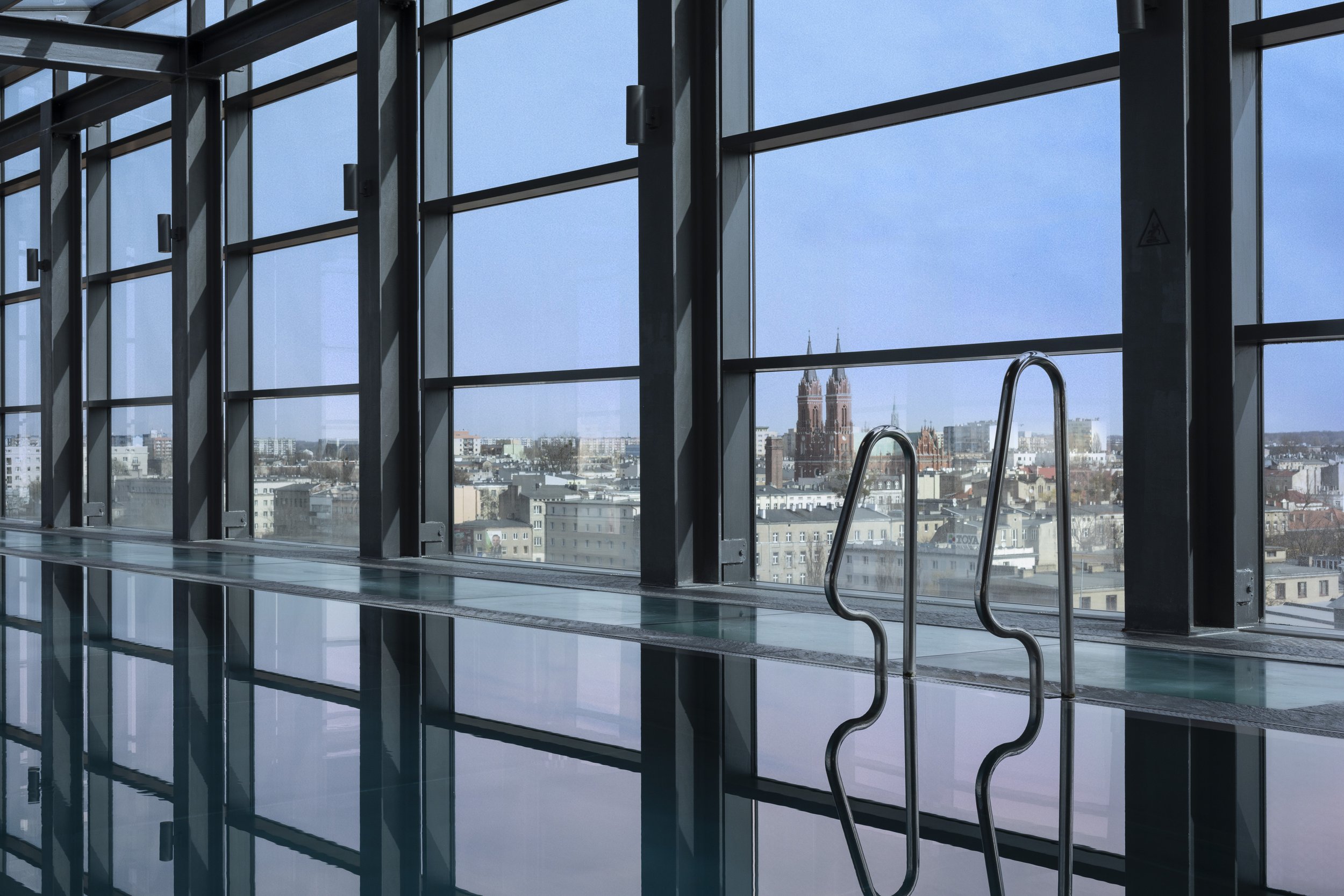
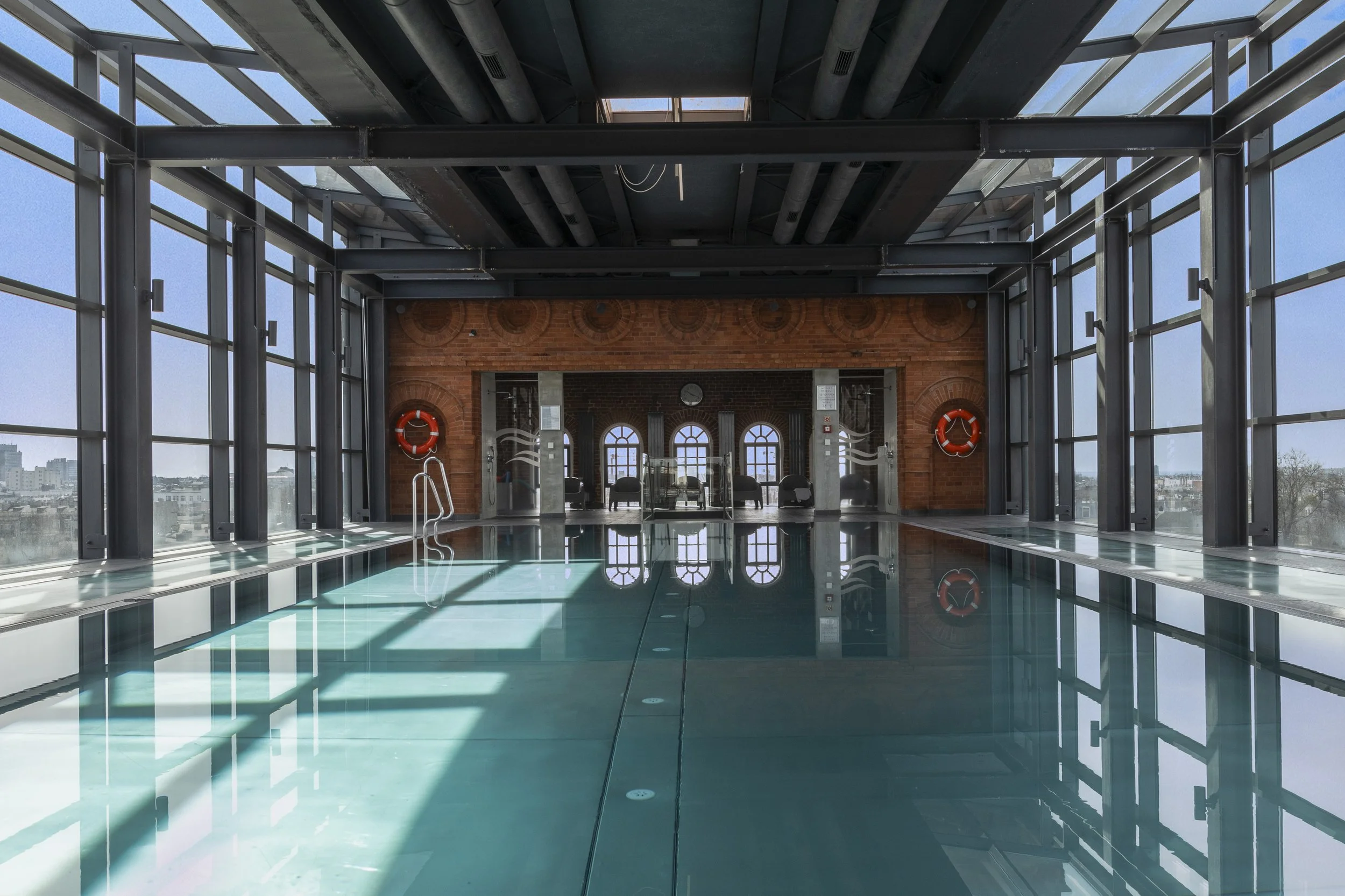
One of my favourite details is the swimming pool. It almost appears to pop out of the building, creating a completely unexpected feature and offering beautiful views across the city. But even the pool has a story of its own — the space was originally used as a fire safety water tank. For me, discovering details like these is an important part of preparing for a hotel photography shoot.
A hotel photographer should do their homework
Before photographing a hotel, I don't think the first question should be:
“How many rooms do I need to photograph?”
The first question should be:
“What is this hotel actually selling?”
Researching the history of the building, understanding the hotel's target audience and talking to the people who run it can completely change the way I approach a shoot.
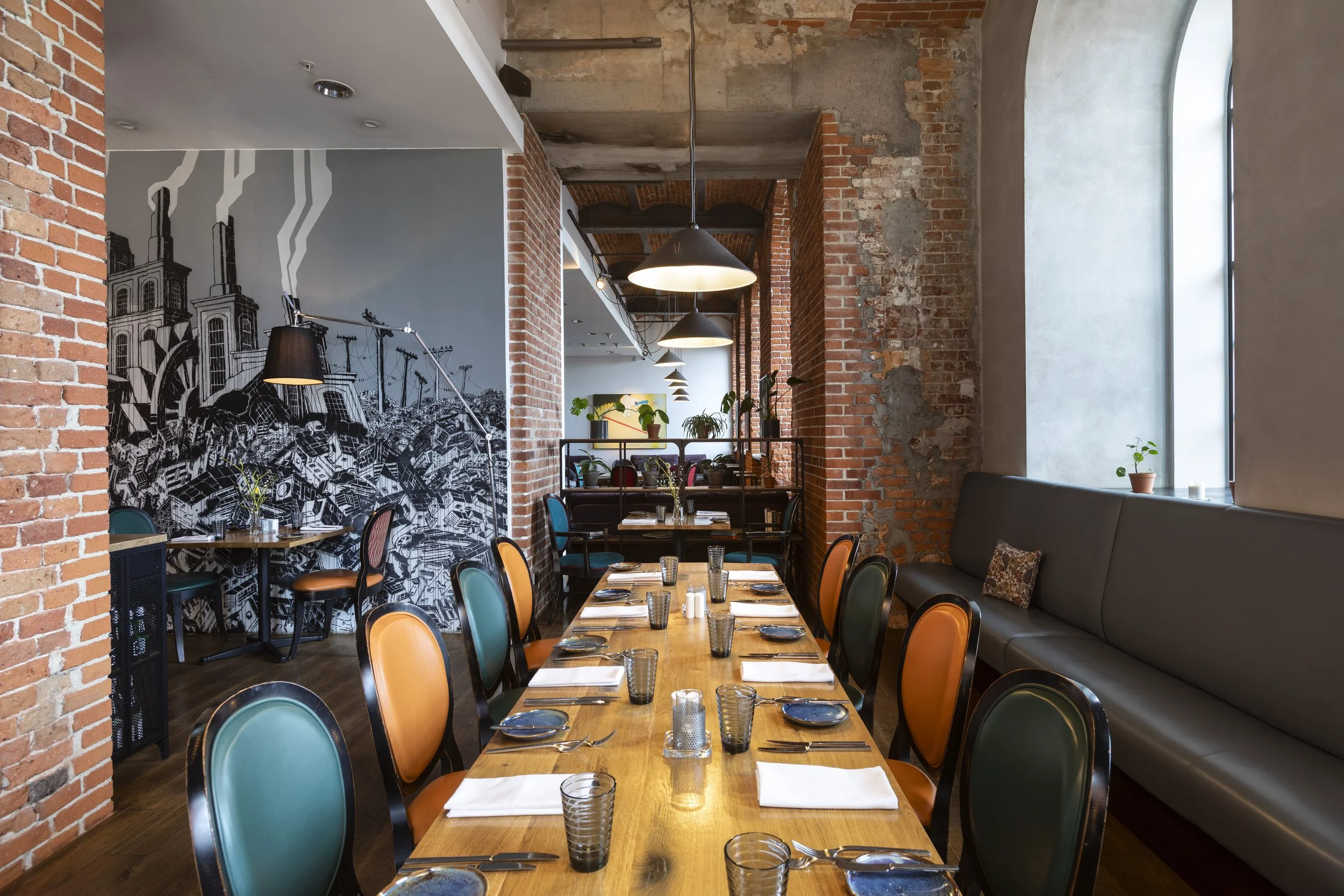
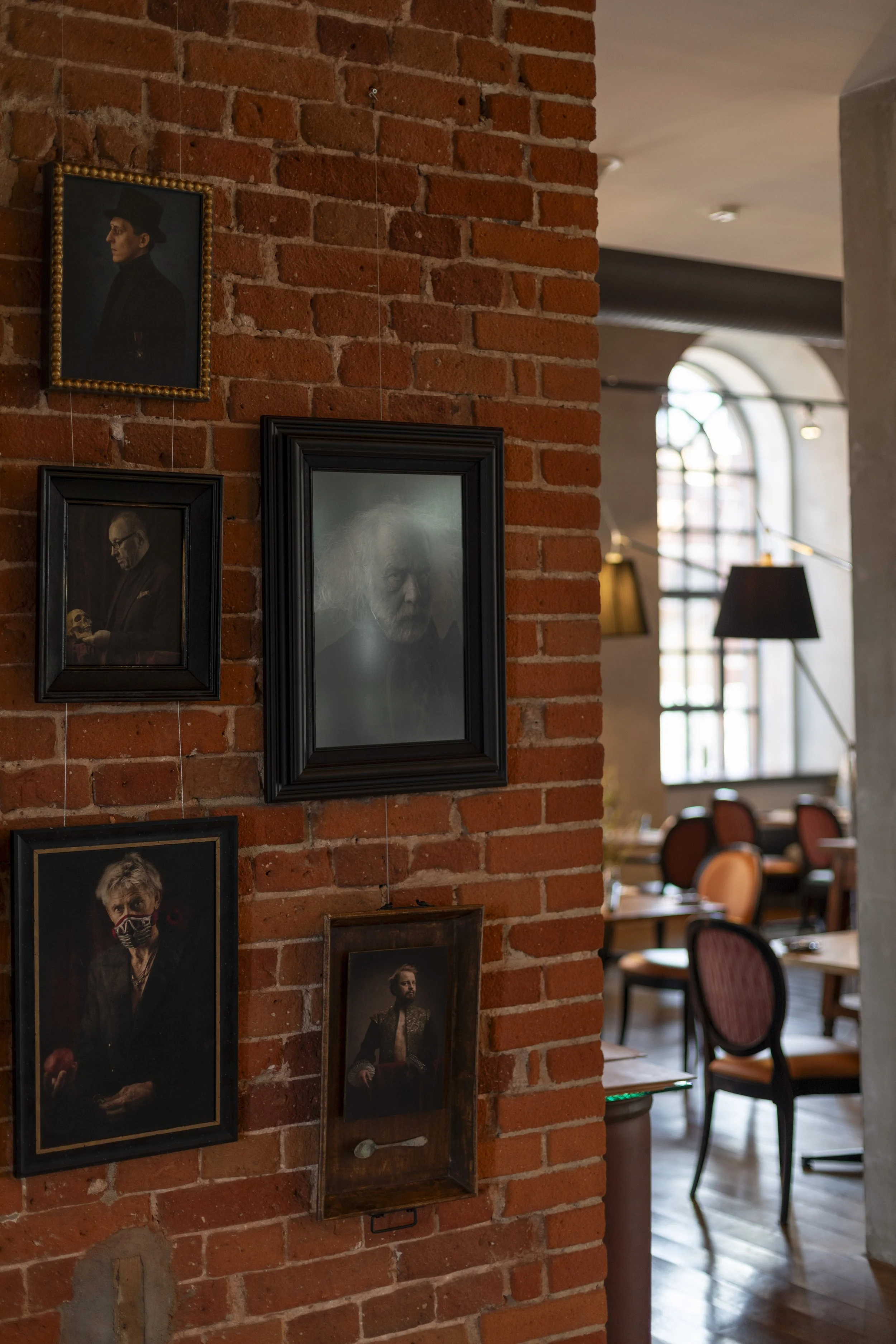
Knowing that the building was once a factory, for example, immediately makes the old brickwork more significant.
Rather than treating the brick walls as simply an architectural detail, I might deliberately include them in the photography because they tell part of the hotel's story.
The same applies to the swimming pool.
If I know that the pool occupies what was once a water tank, and that it has an unusual view over the city, that becomes something worth highlighting rather than just another image on the shot list.
Photography should follow the business
There is another level of research that I find particularly valuable: understanding where the hotel actually makes its money.
A conversation with the management team — and sometimes even the accountant — can reveal things that are not immediately obvious from walking around the property.
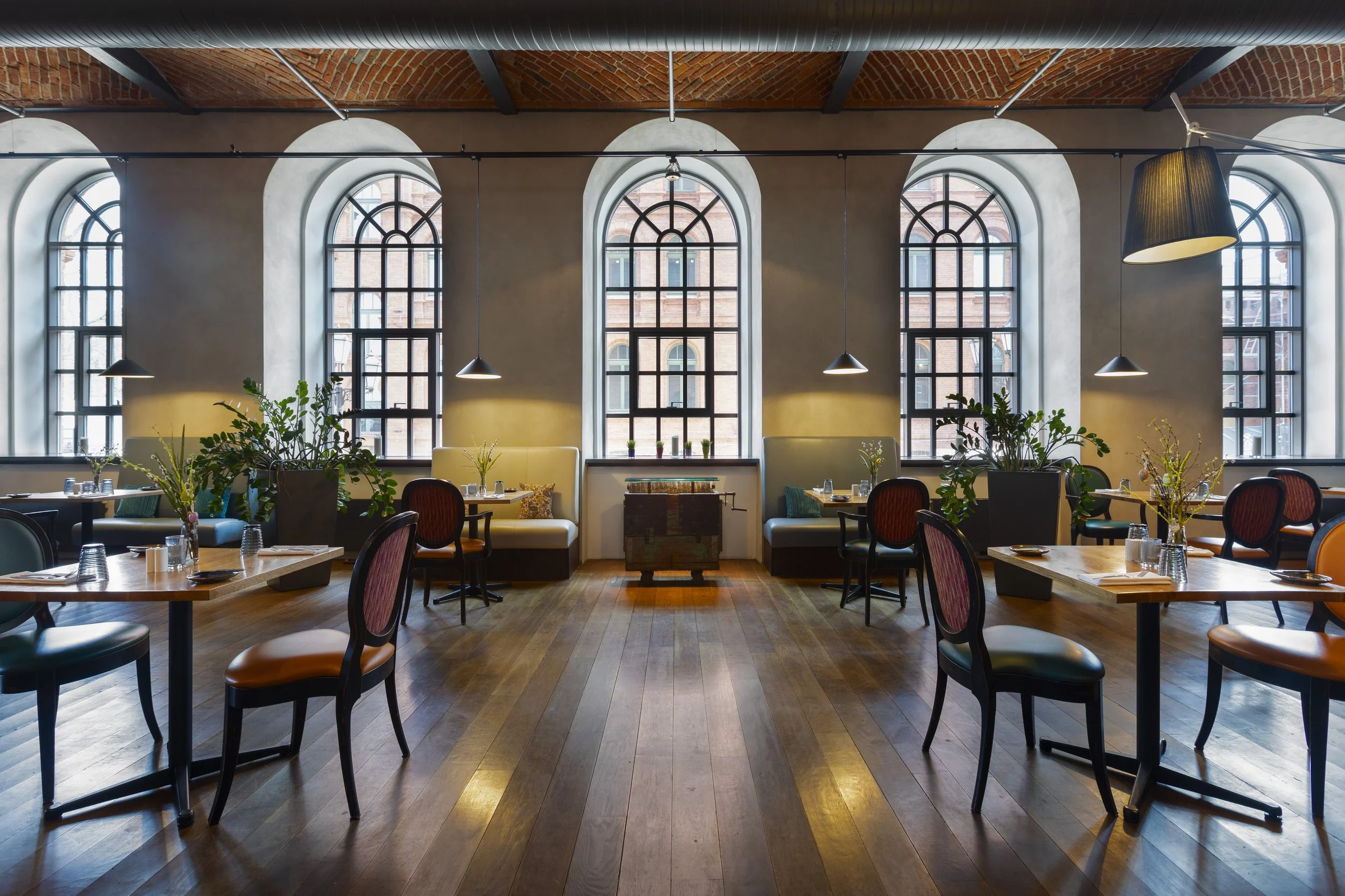
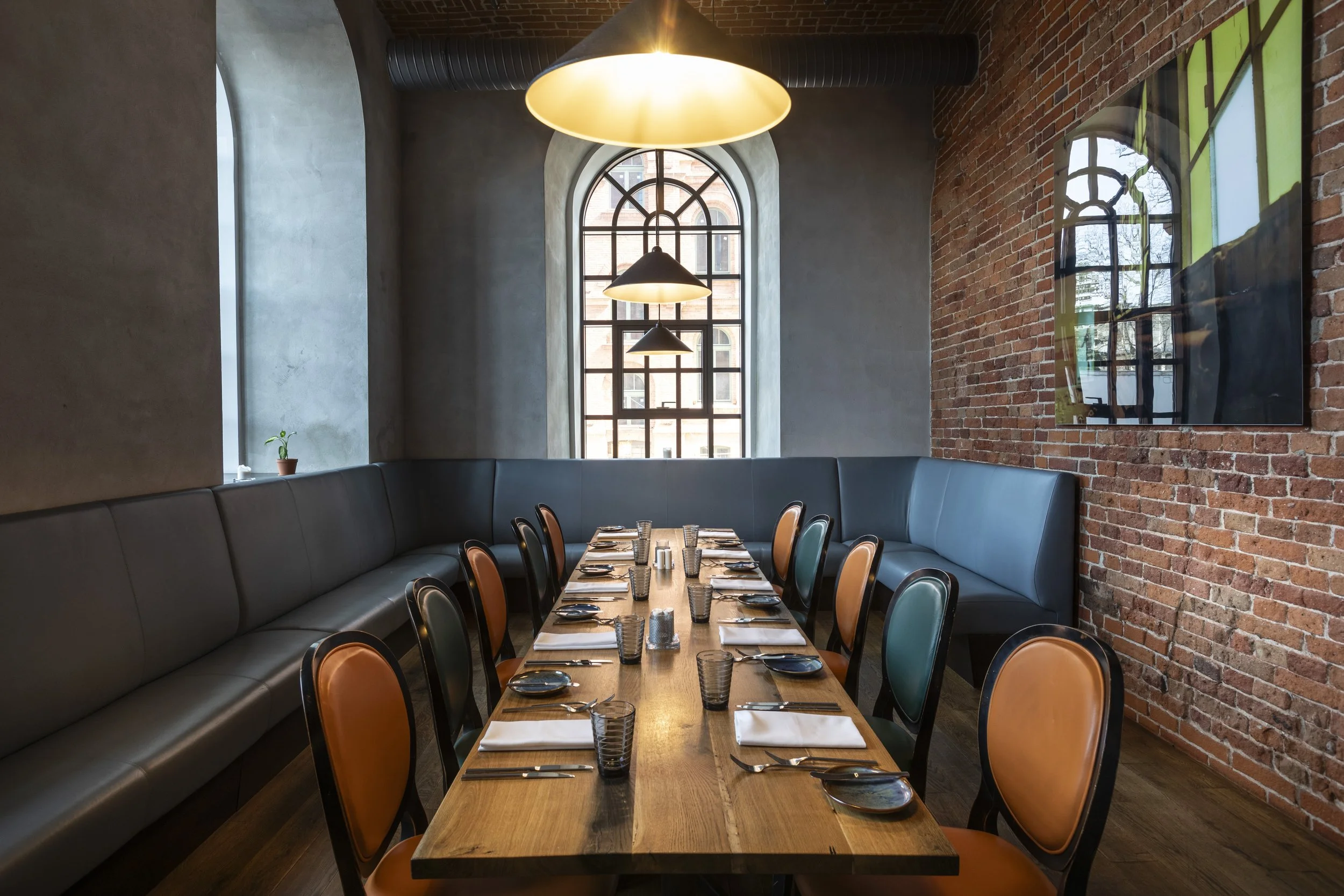
For example, imagine discovering that around 30% of the hotel's revenue comes from its bars and restaurants.
That changes the photography strategy.
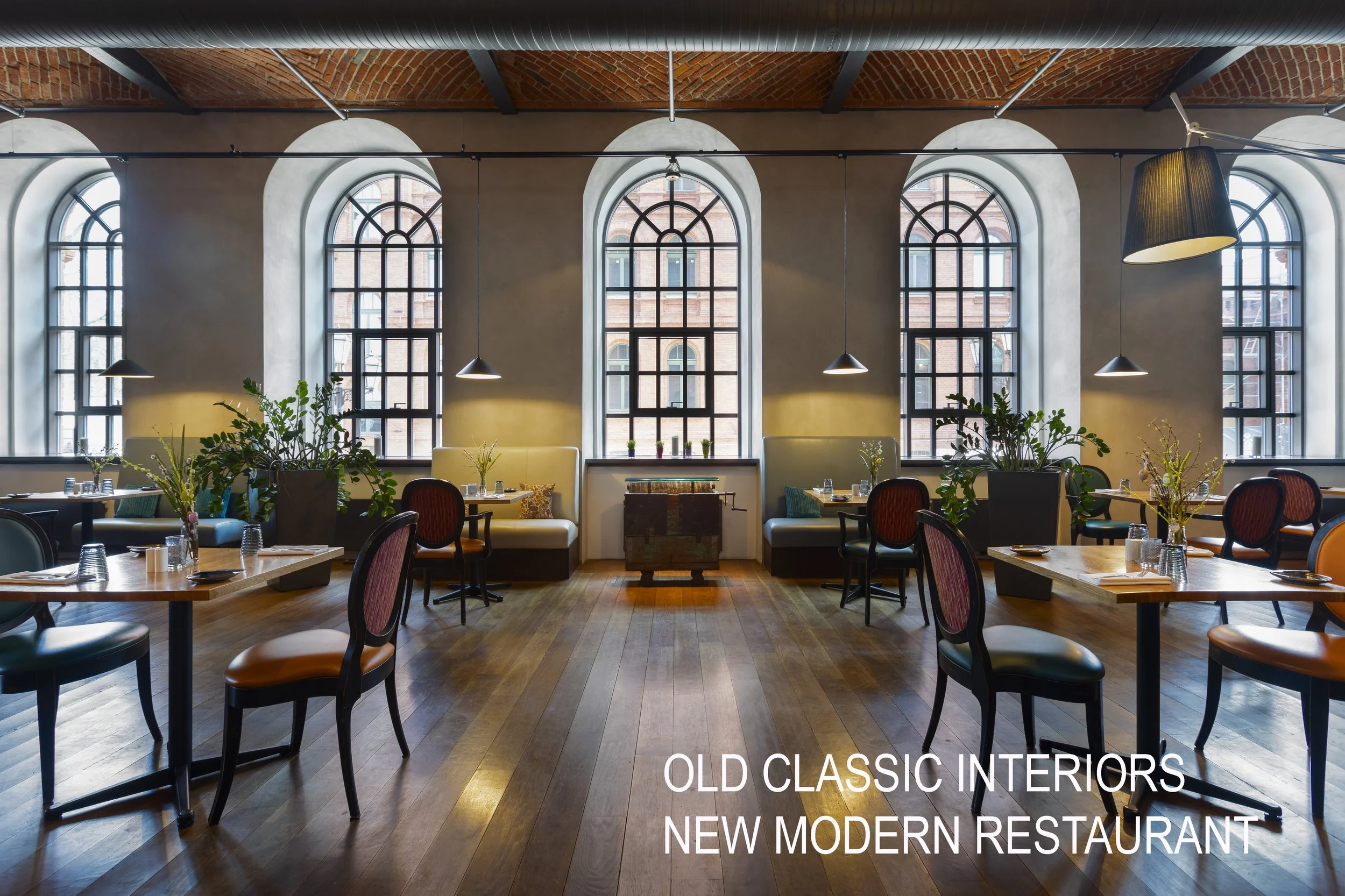
The restaurant is no longer simply an additional space to photograph after the bedrooms have been completed.
It becomes an important commercial product.
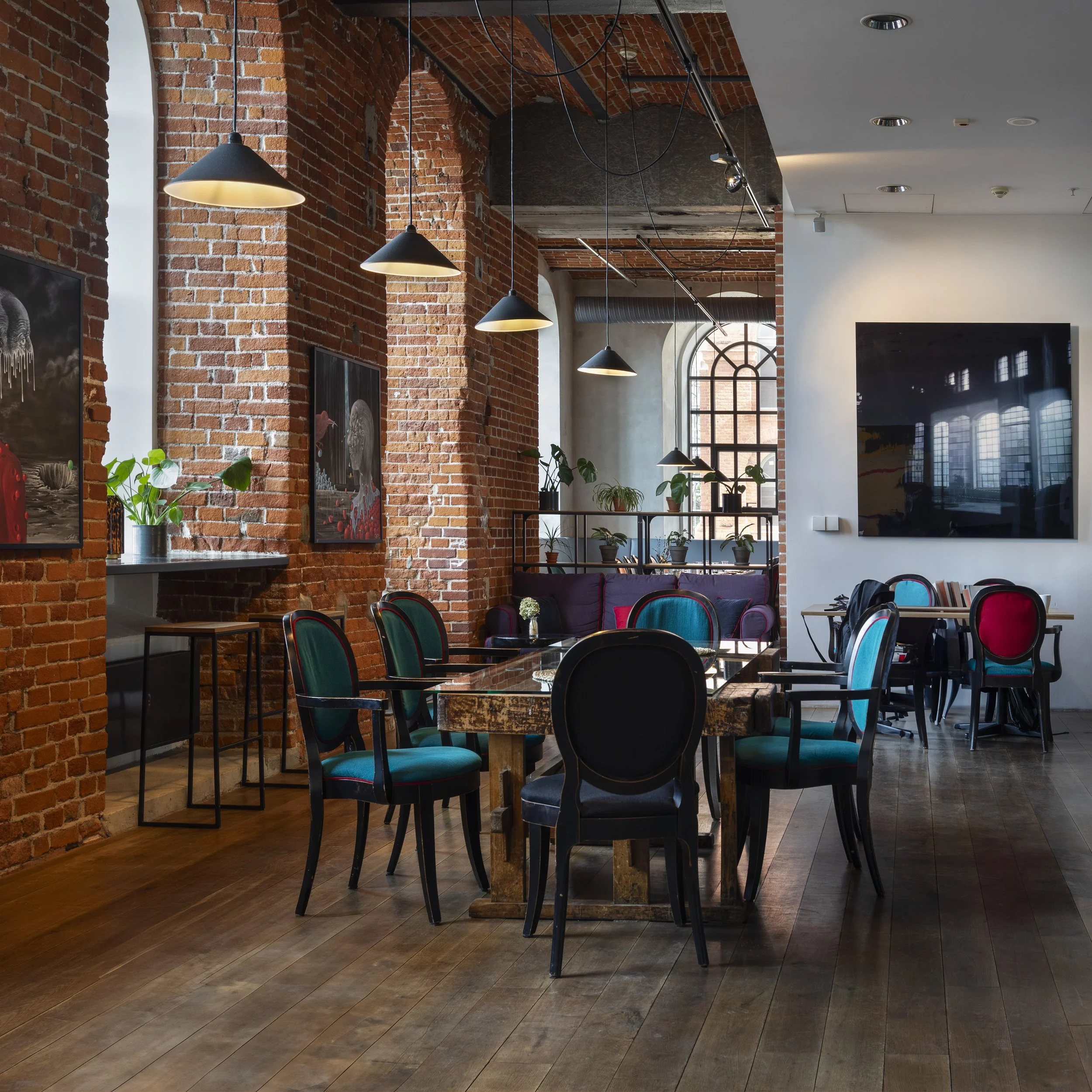
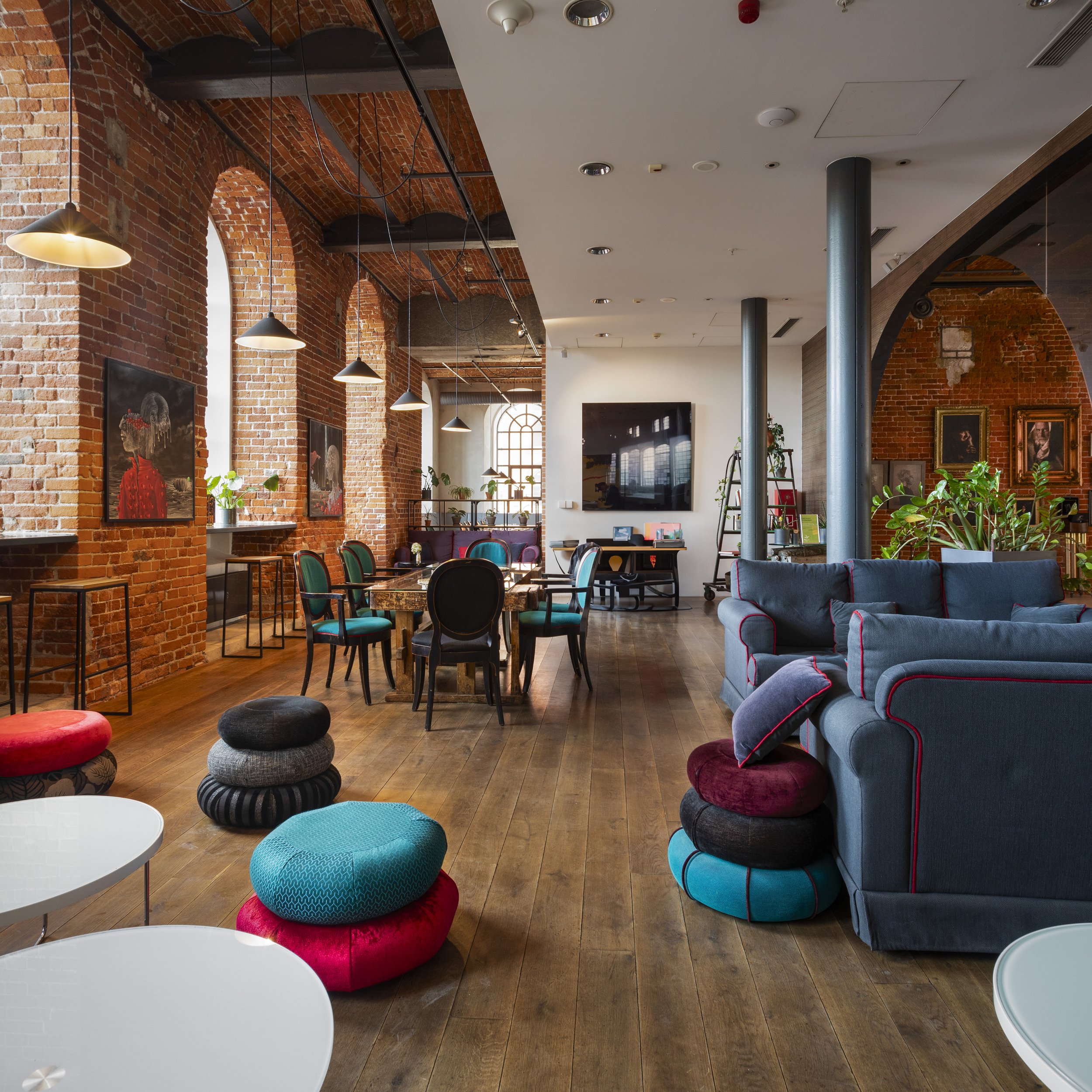
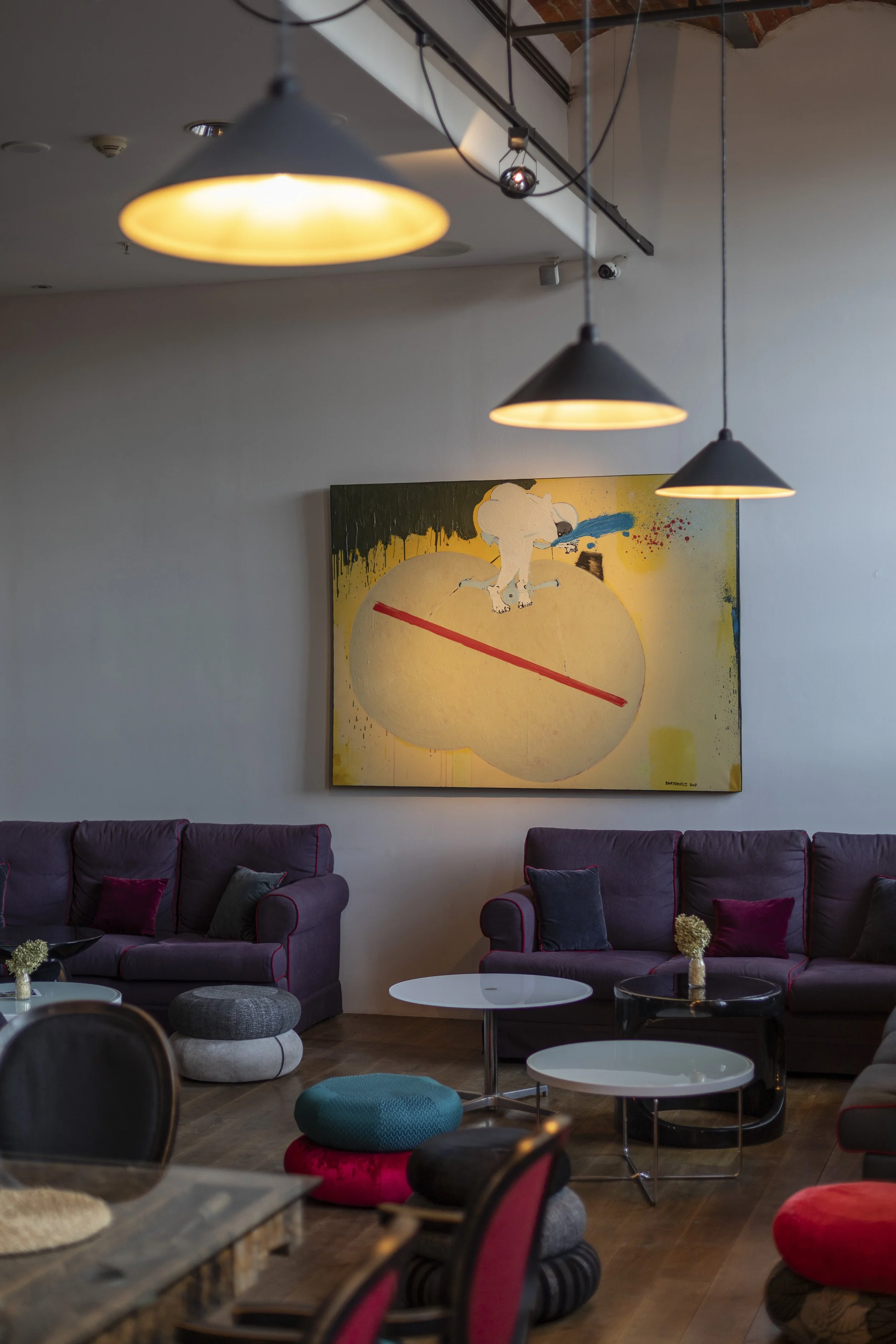
The photography should therefore show not only what the restaurant looks like, but what the experience feels like.
The atmosphere.
The design.
The food.
The relationship between the interior and the guests.
The evening lighting.
The bar as a destination in its own right.
This is where experience makes a difference
This is why I believe hotel photography requires more than technical knowledge of cameras and lighting.
An experienced hotel photographer should be asking questions before pressing the shutter.
Who is the hotel trying to attract?
What makes this property different?
Which parts of the hotel are commercially important?
What stories can the building tell?
Where does the hotel generate its revenue?
And most importantly:
What do we want a potential guest to feel when they see these photographs?
Once those questions are answered, the photography becomes much more strategic.
The old factory walls might become an important part of the visual story.
The swimming pool might deserve a hero image.
The city view might need to be photographed at the right time of day.
And if the restaurants generate a significant proportion of the hotel's revenue, they should receive the attention they deserve.
You're not just hiring someone to photograph rooms
This is the difference I try to bring to every hospitality project.
You are not simply hiring me to produce a set number of attractive photographs.
You are hiring someone who takes the time to understand the property, its history, its audience and its business — and then uses photography to communicate those things.
Because ultimately, the best hotel photographs don't just show a hotel.
They help sell the reason to stay there.