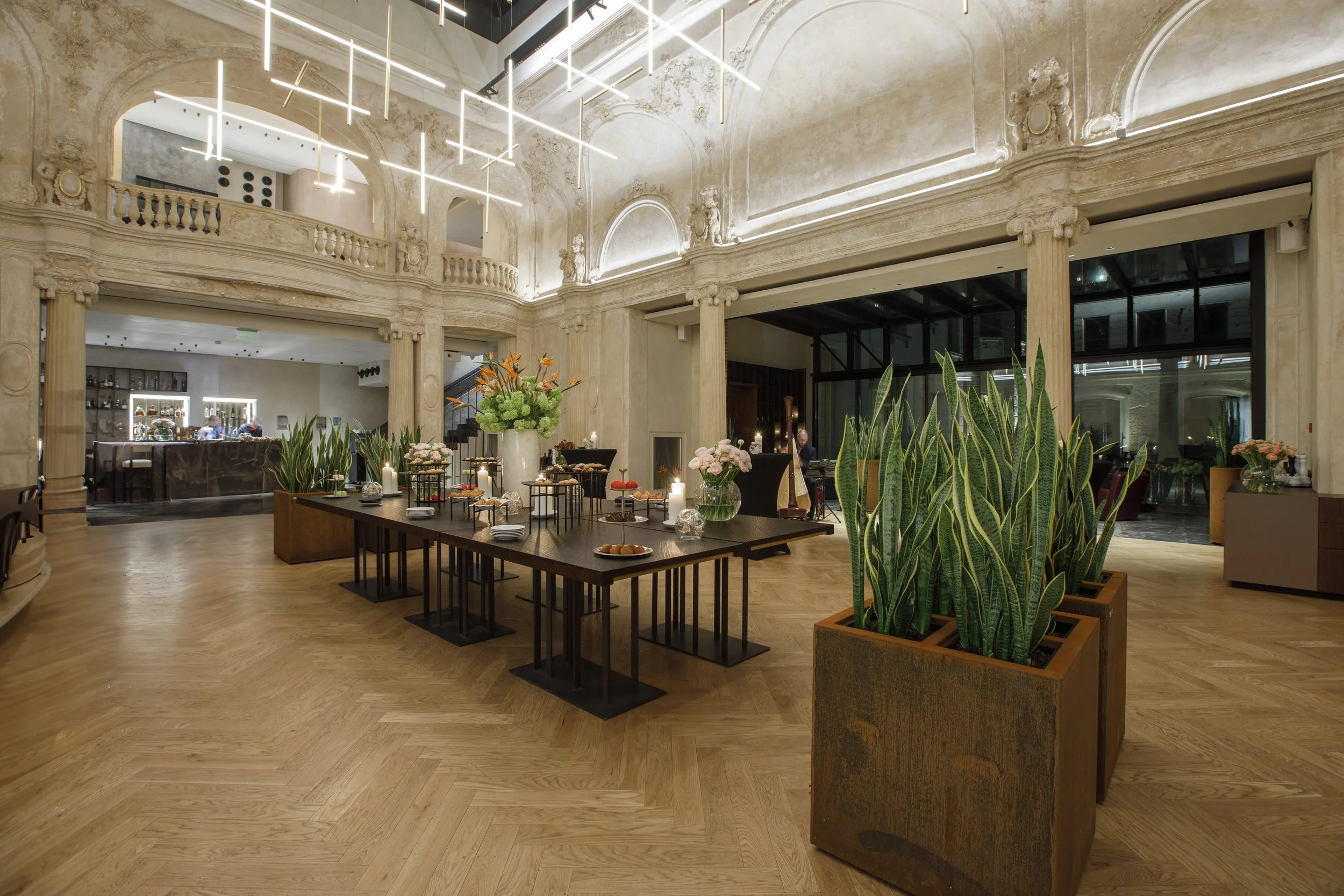
Grand Hotel Łodz – Minimal Disruption to Hotel Operations
Iconic luxury hotel in Łodz, Poland’s second-largest city, photographed with full consideration for ongoing operations and guest activity.
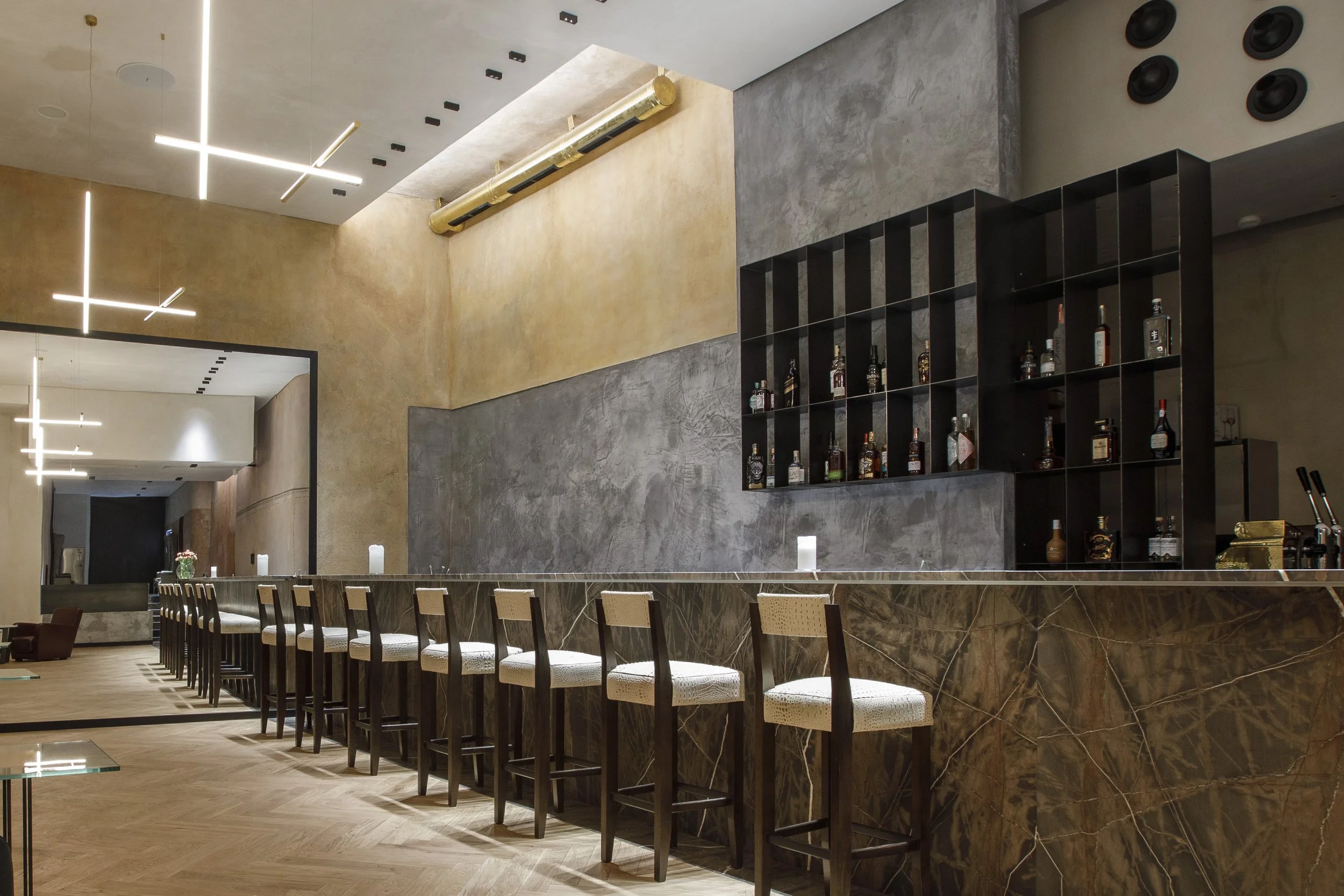
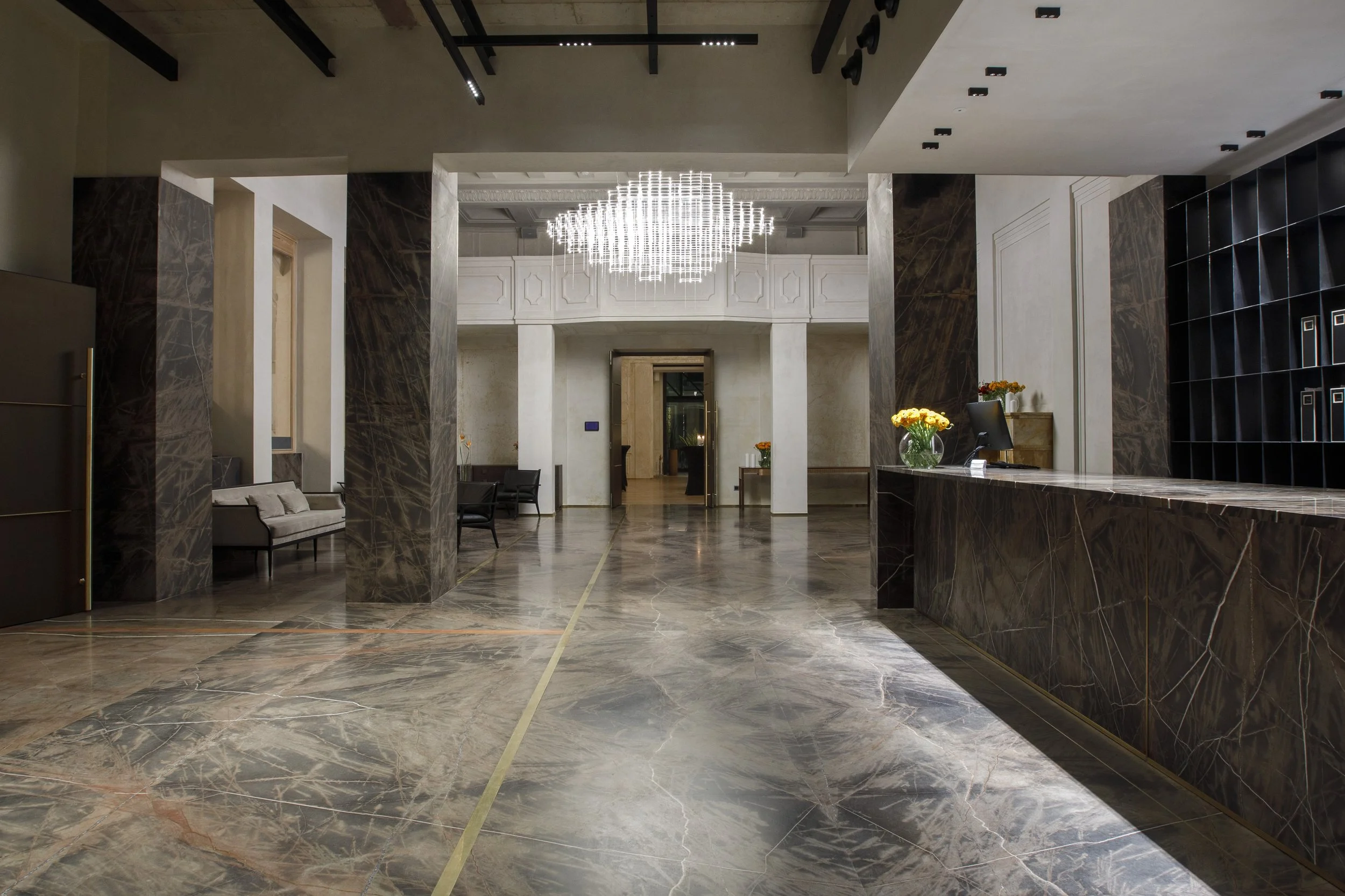
The Grand Hotel Łodz is one of the city’s most recognisable hospitality landmarks, combining historic architecture with a recently refurbished interior design.
Grand Hotel Łódź – A Historic Landmark Reimagined
The Grand Hotel Łódź is one of the most recognisable hotels in Łódź, Poland’s second-largest city. Operating since the late 19th century, the hotel has been closely connected with the cultural and social history of the city.
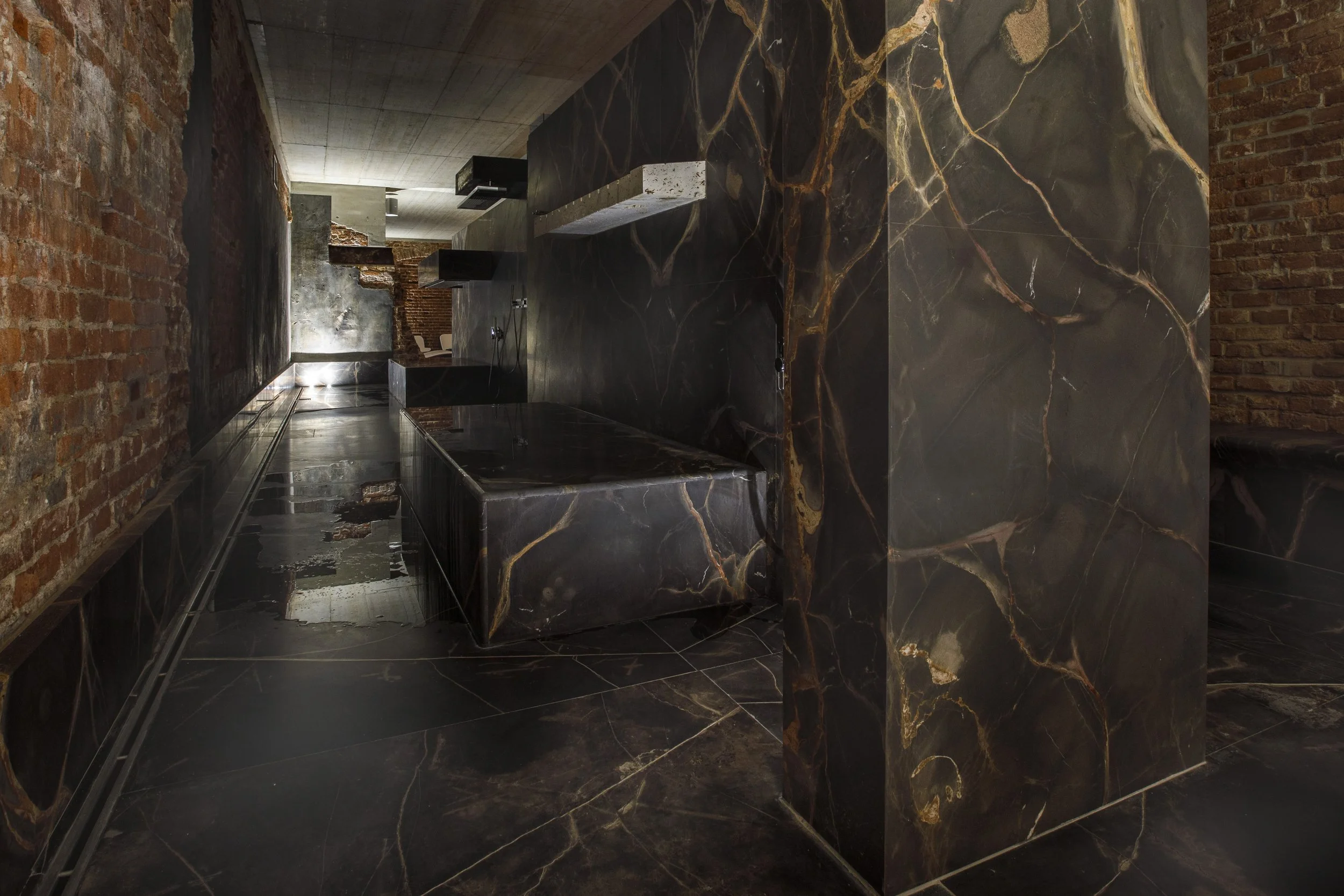
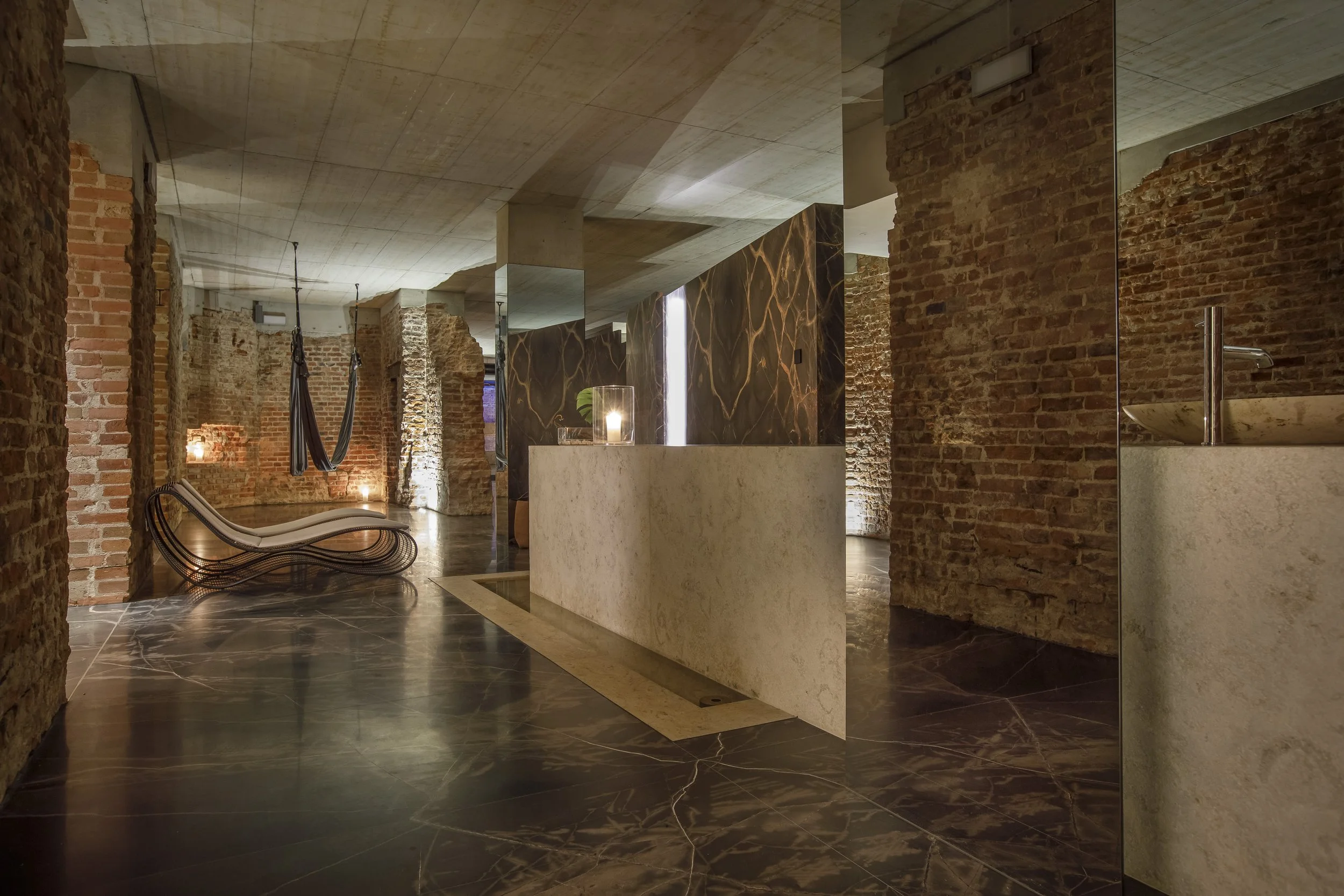
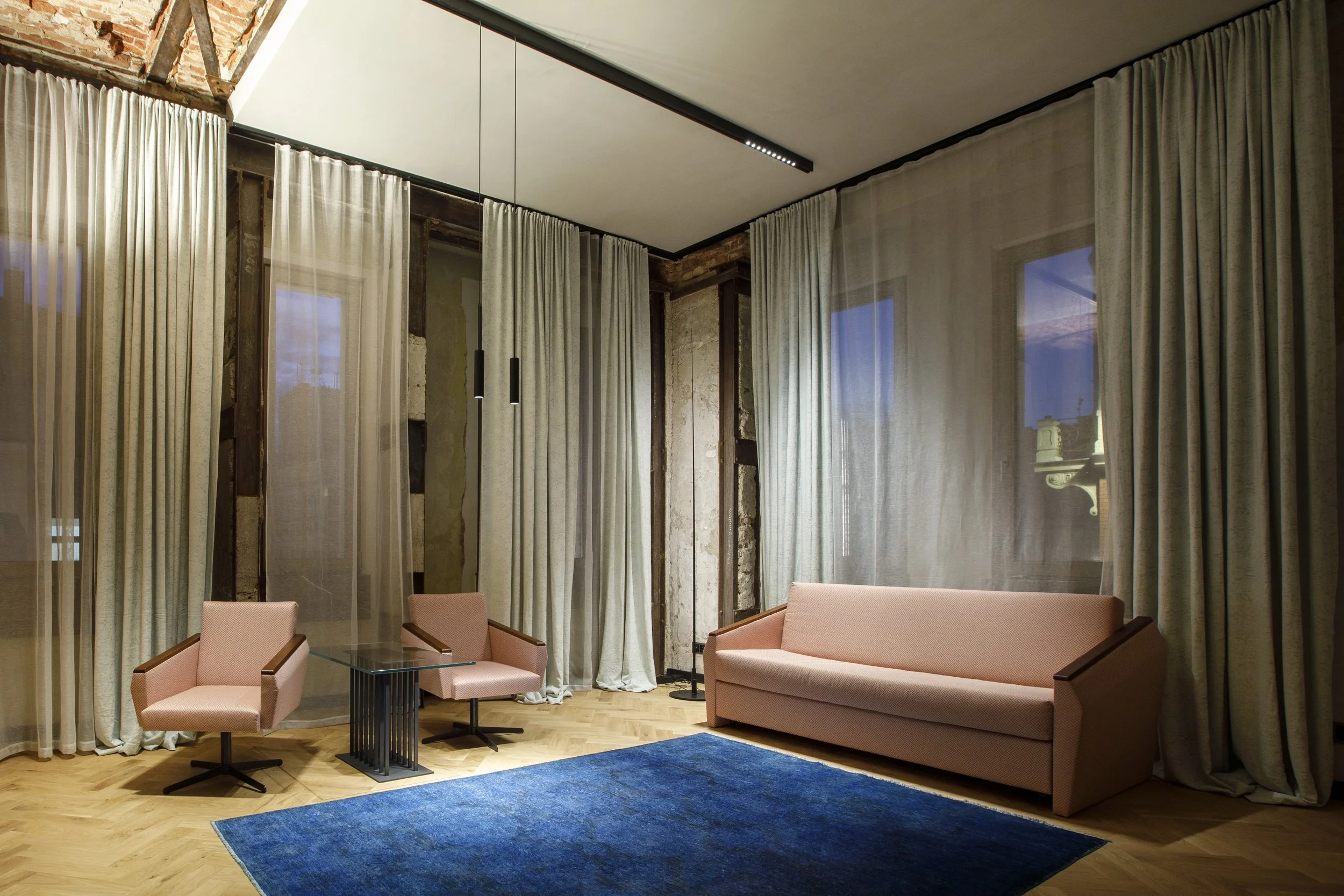
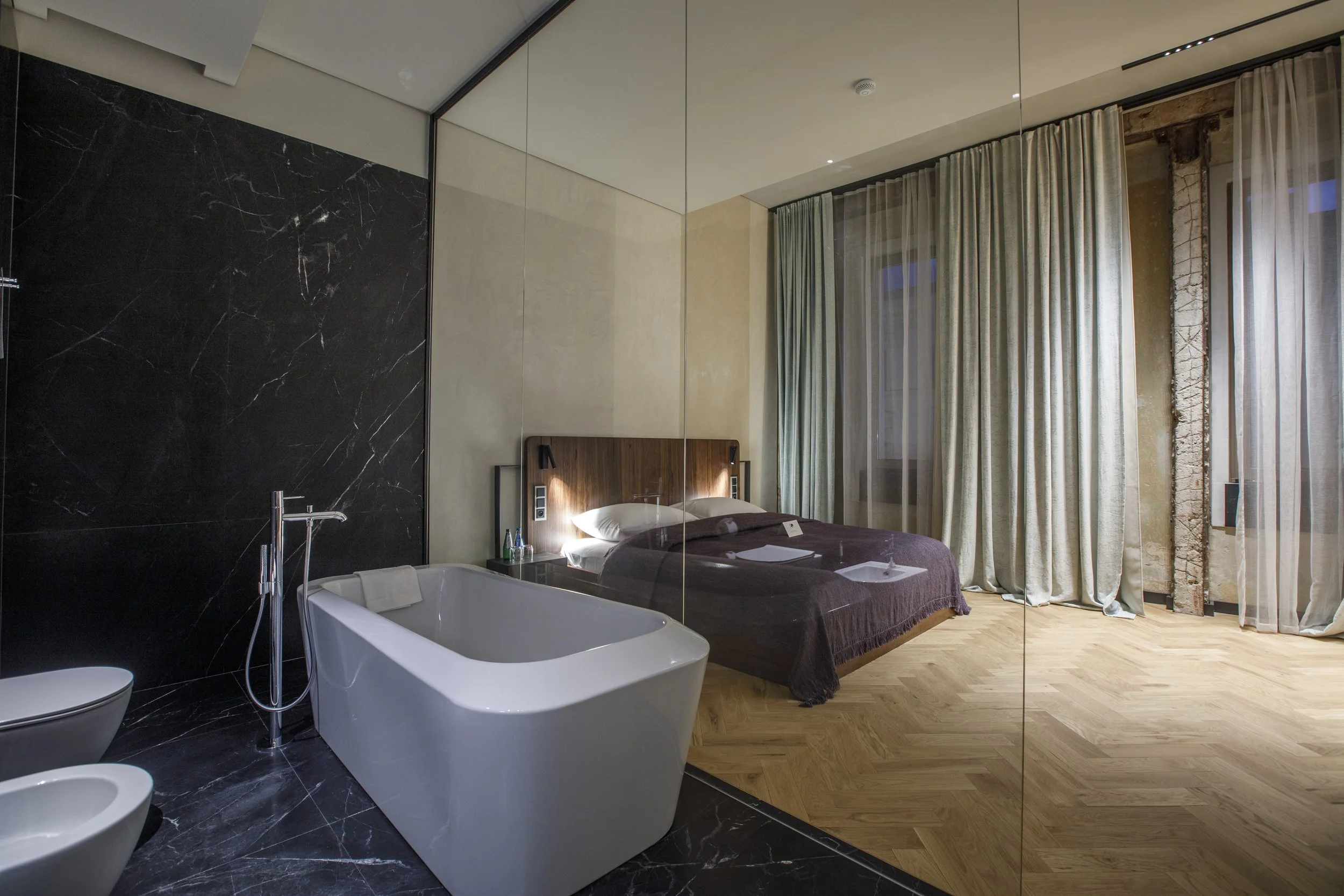
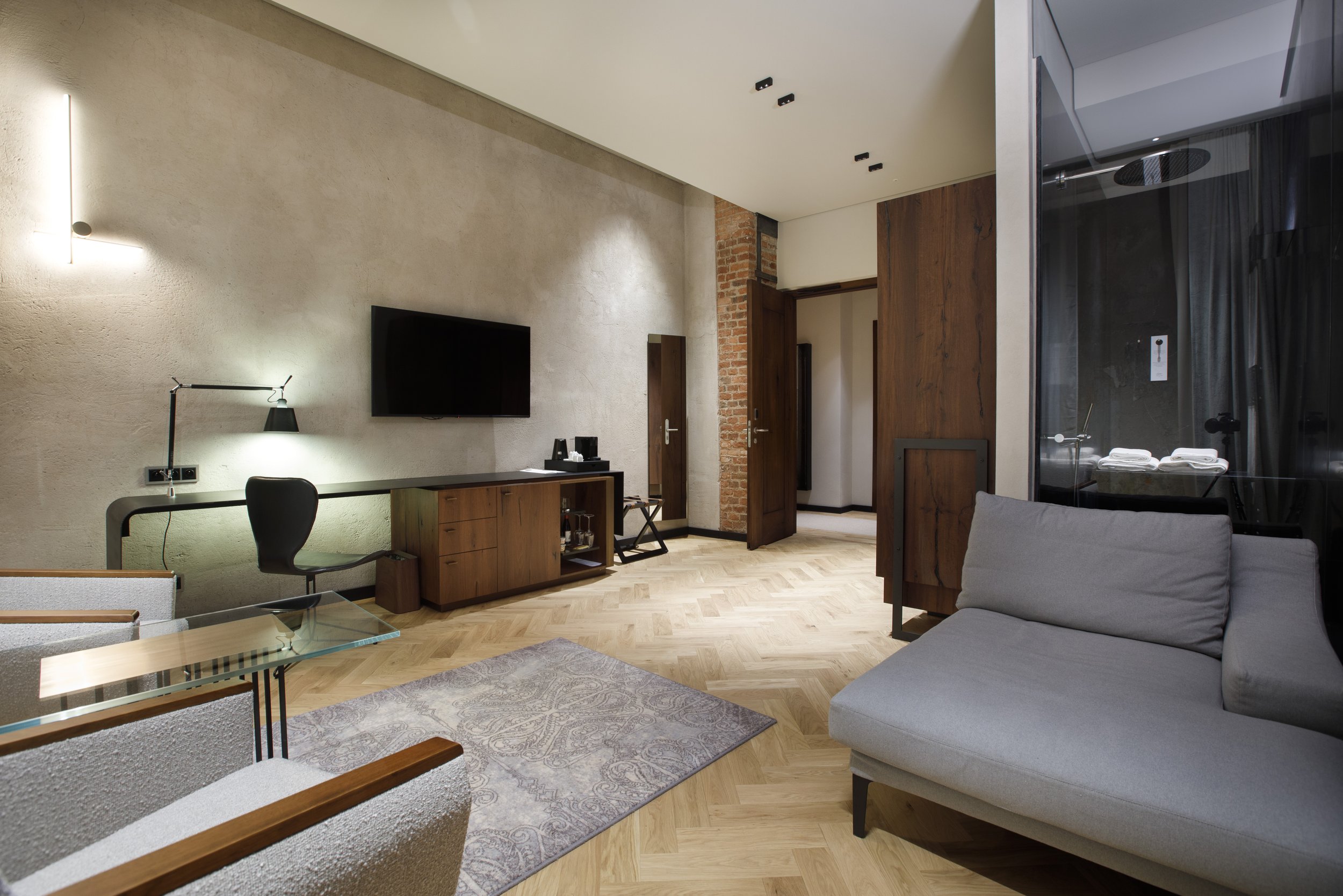
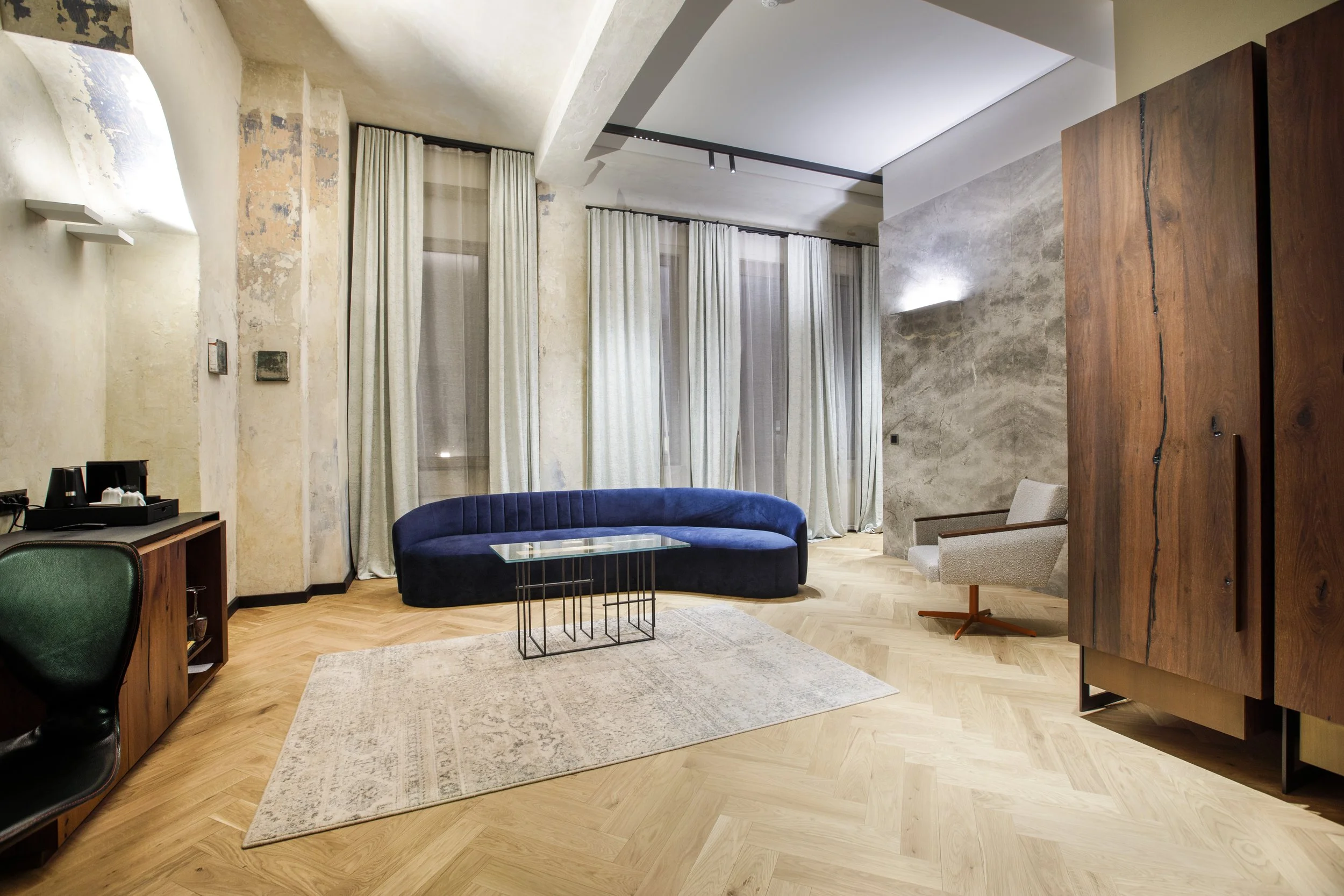
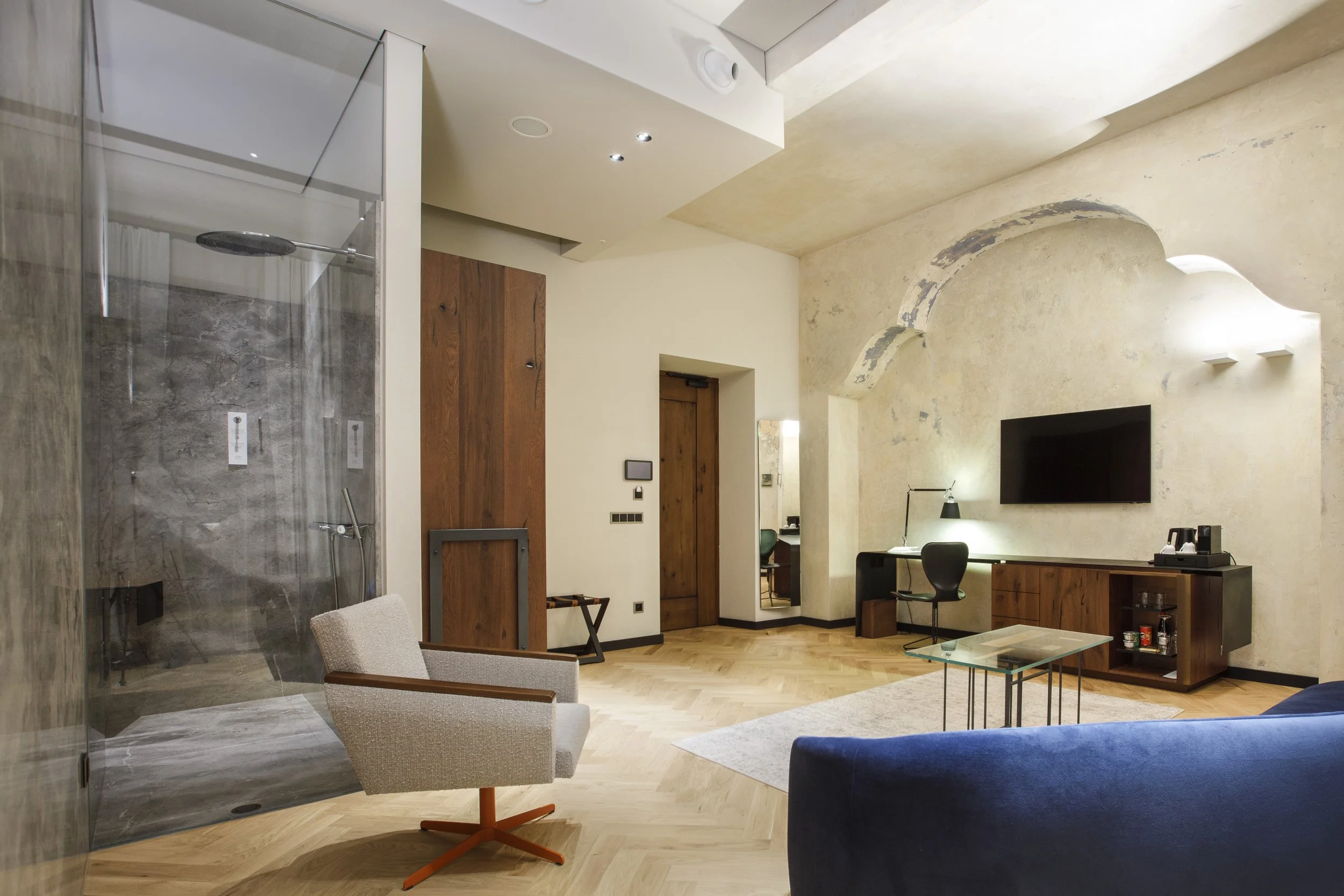
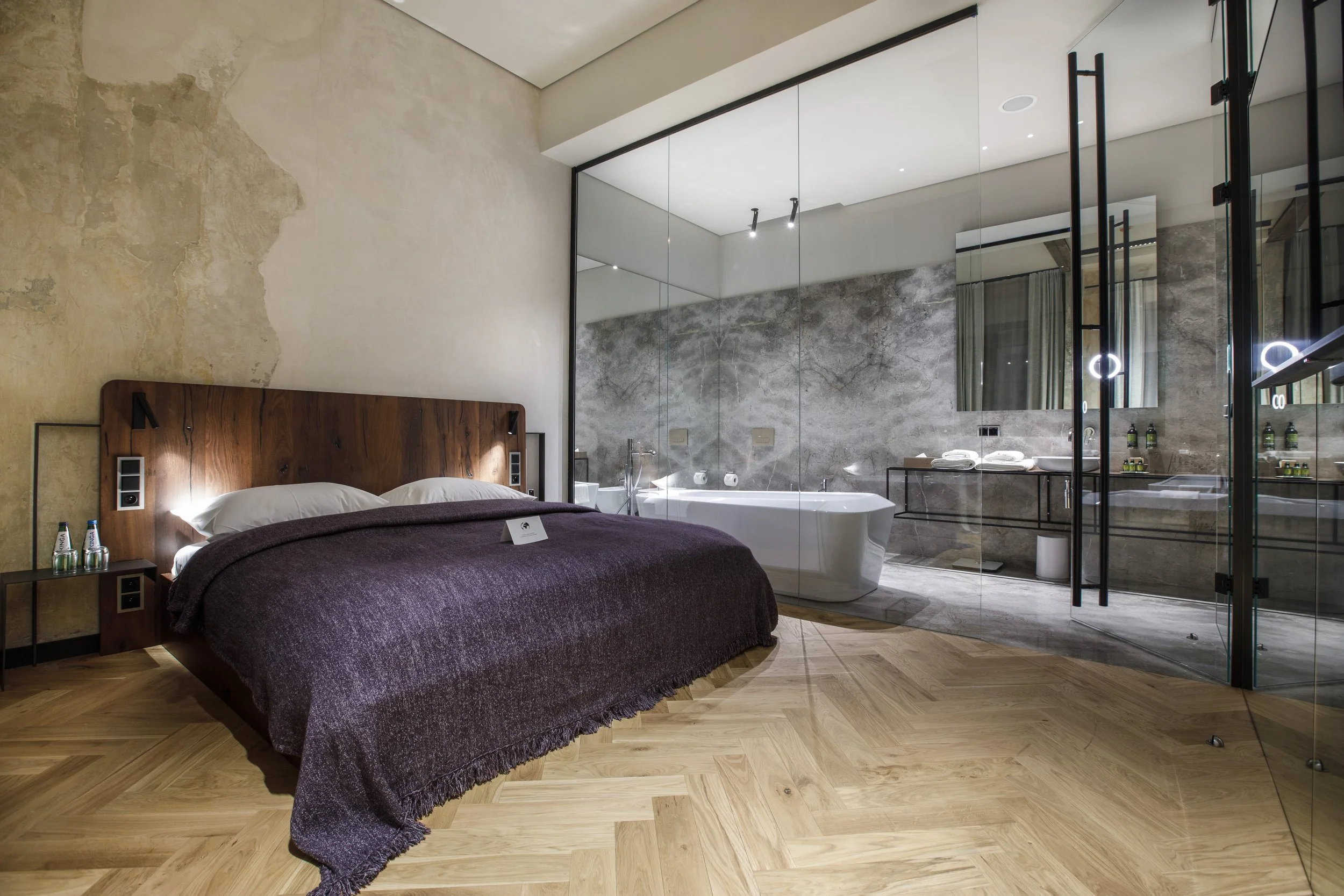
After years of changing fortunes, the hotel underwent an extensive refurbishment to restore its position as a modern luxury destination while preserving its historic character. The renewed interiors created a new experience for guests, combining contemporary design, carefully considered lighting, and the atmosphere of a historic building.
With such a significant transformation, new photography was essential to communicate the hotel's updated identity and showcase the relationship between heritage architecture and modern hospitality.
Brief introduction
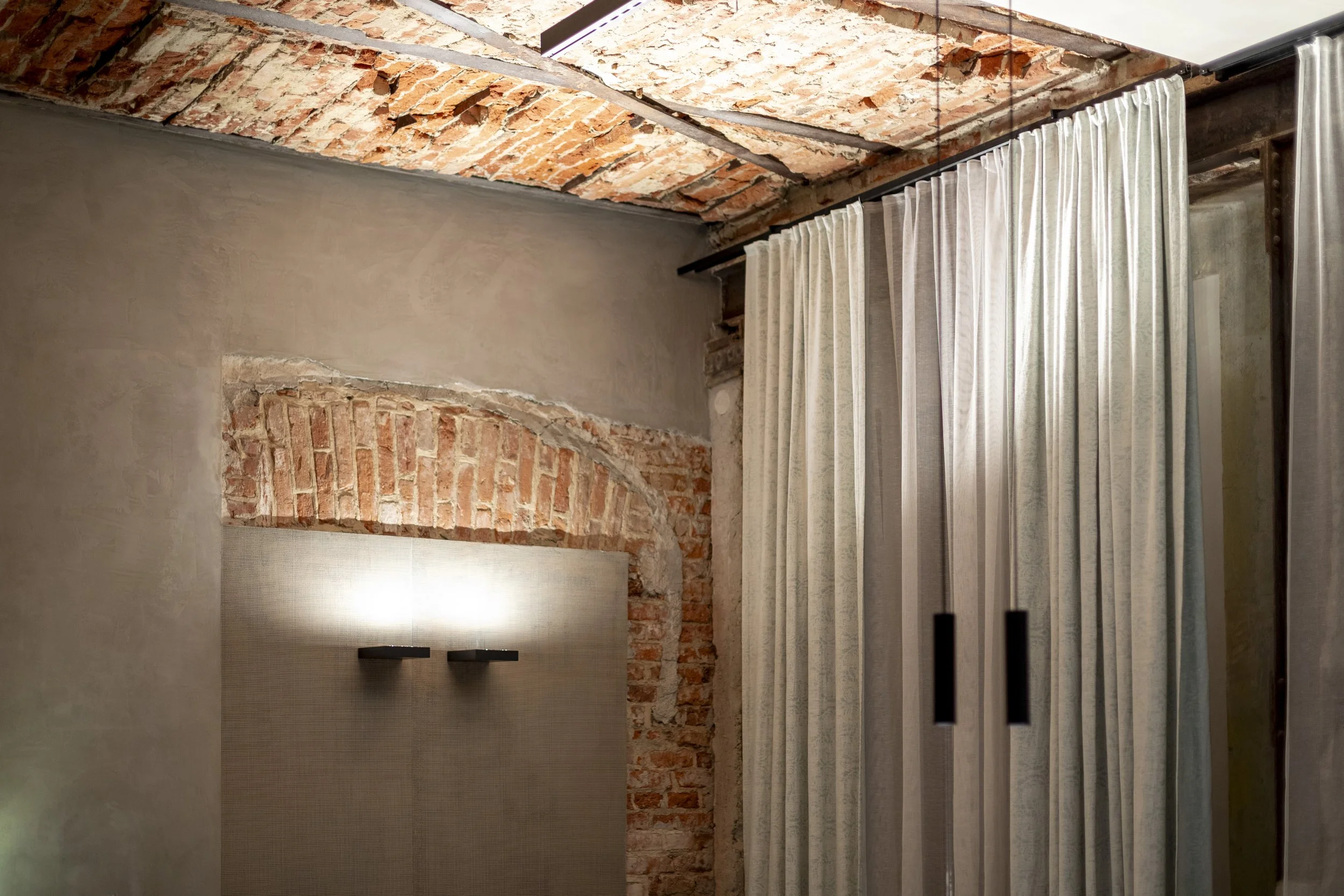
The Grand Hotel Łódź is one of the city's best-known luxury hotels, combining historic architecture with a contemporary refurbishment.
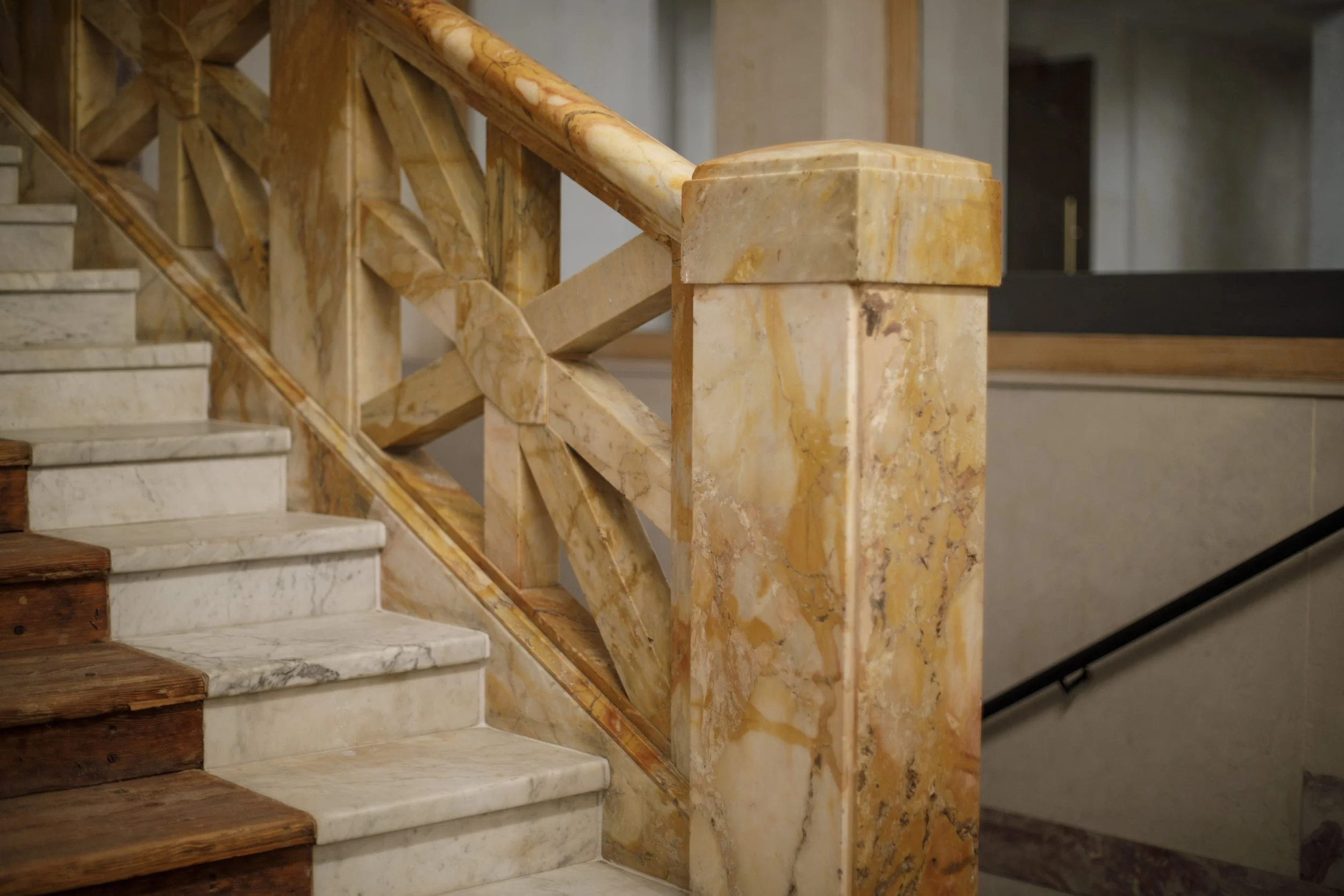
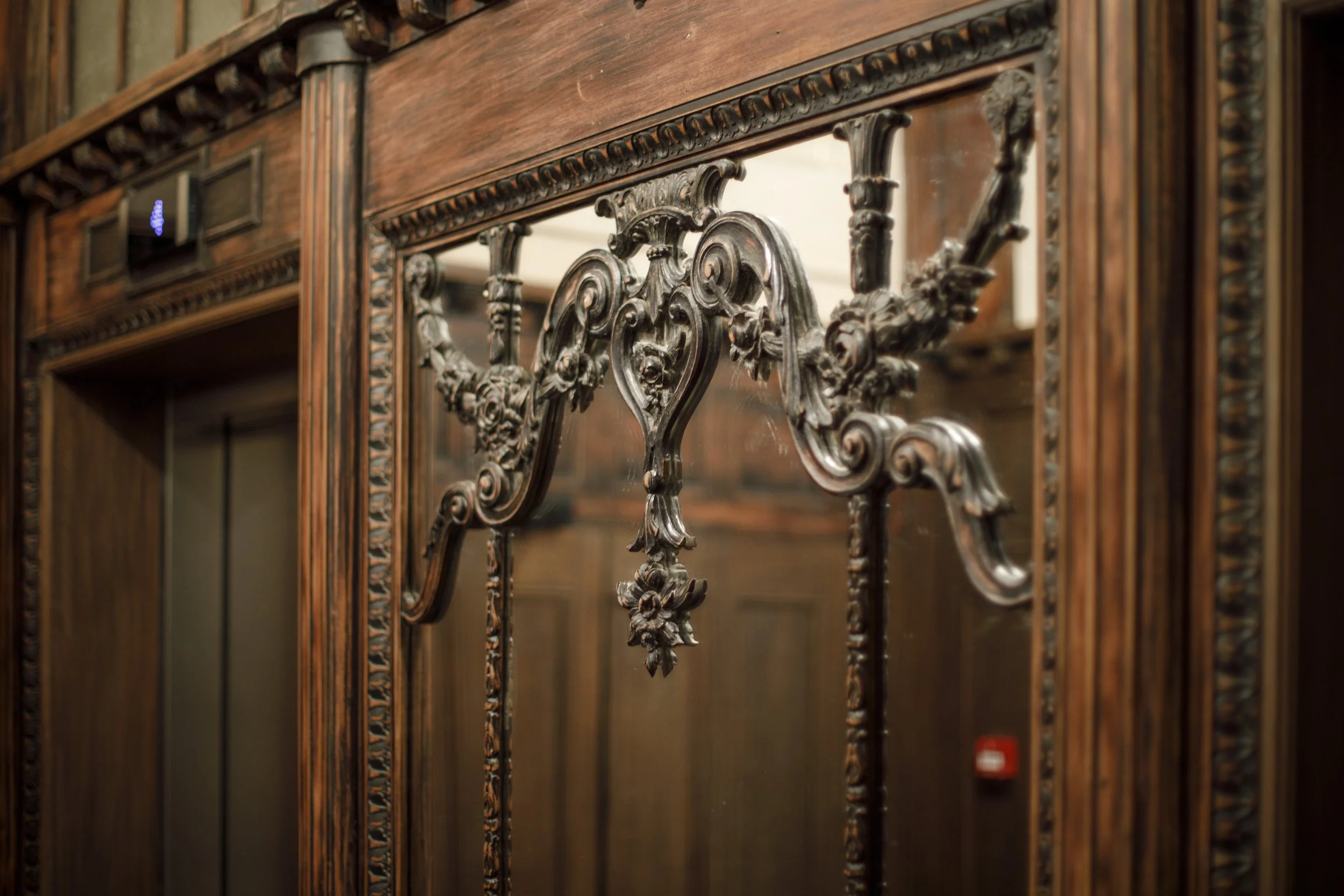
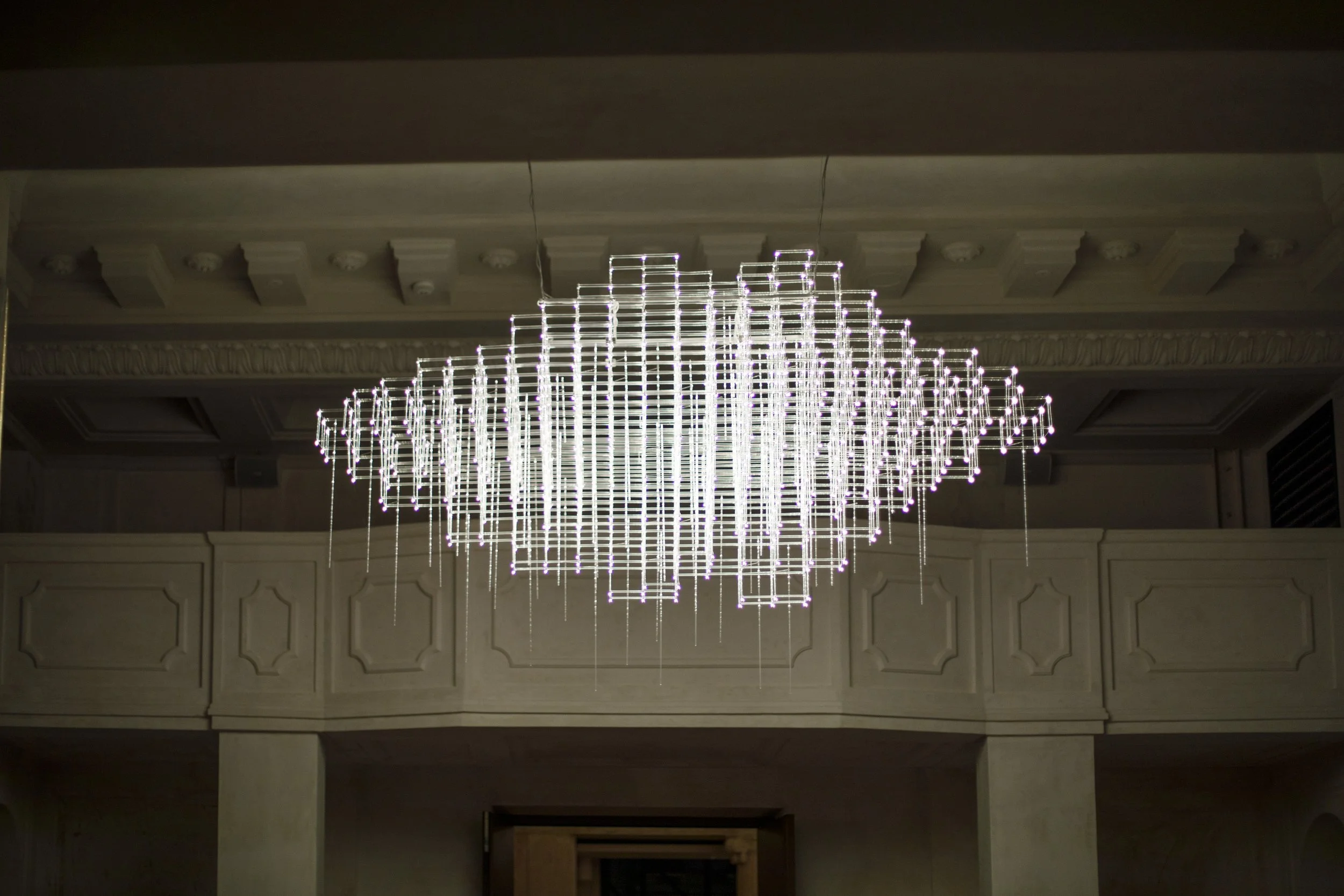
The assignment was to photograph the hotel's interiors showcasing the interior design lighting, textures, materials while it remained fully operational during one of its busiest periods.
The Challenge
Unlike an empty property, the Grand Hotel was busy throughout the evening with guests moving through the reception, restaurants and public areas, while private events continued in different parts of the hotel.
As evening was the only available time for much of the photography, every shot required careful planning around the hotel's daily operations. Closing areas or interrupting guests was never an option.
Working Alongside the Hotel Team
Projects like this rely on good communication as much as photography.
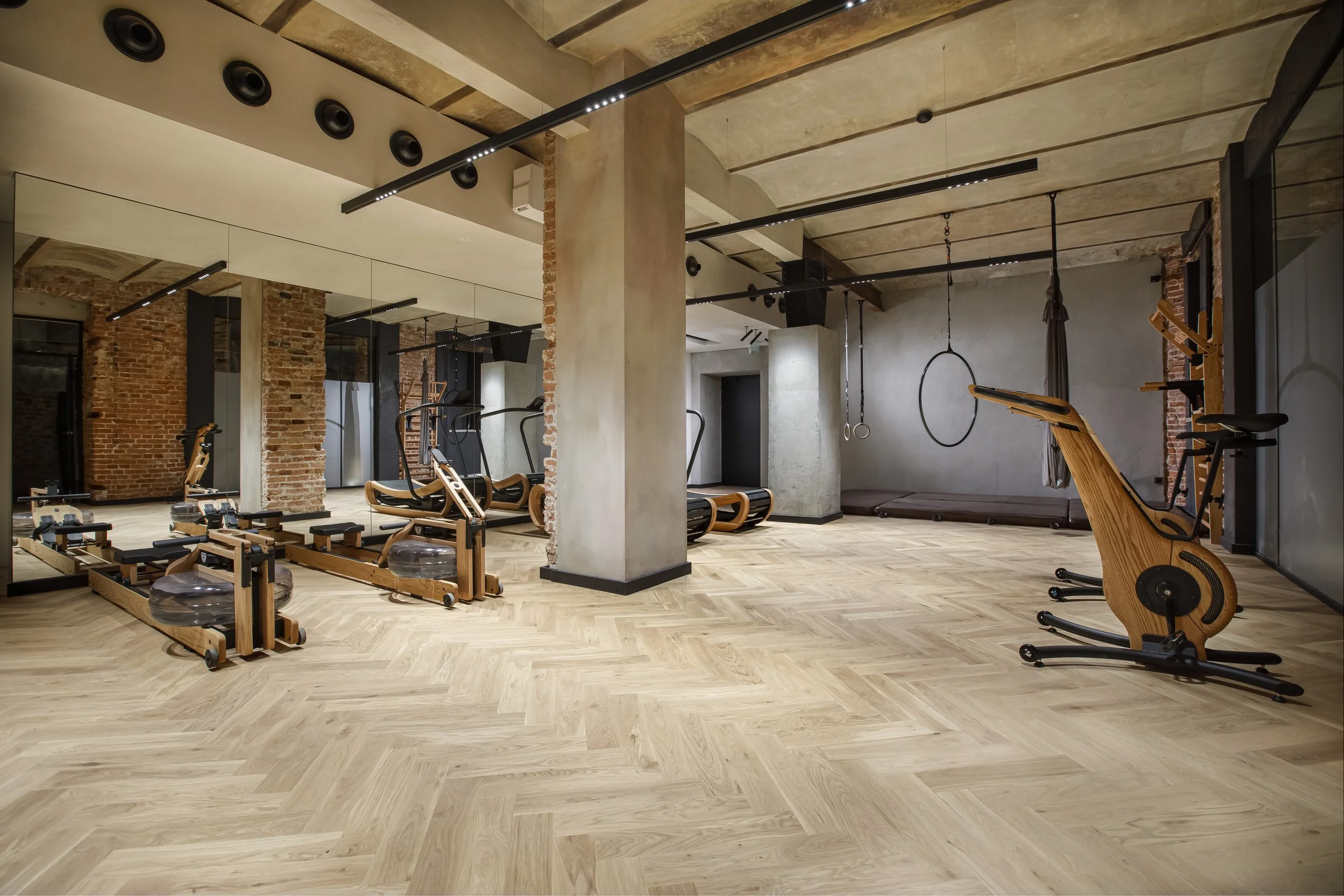
By working closely with the hotel staff, we coordinated access to different spaces as they became available, allowing the hotel to continue operating normally while the photography progressed.
This flexible approach meant that guests could enjoy their stay without disruption, while important architectural spaces were photographed at the right moment.
Why Evening Worked in Our Favour
Although the available time was limited, photographing in the evening became one of the strengths of the project.
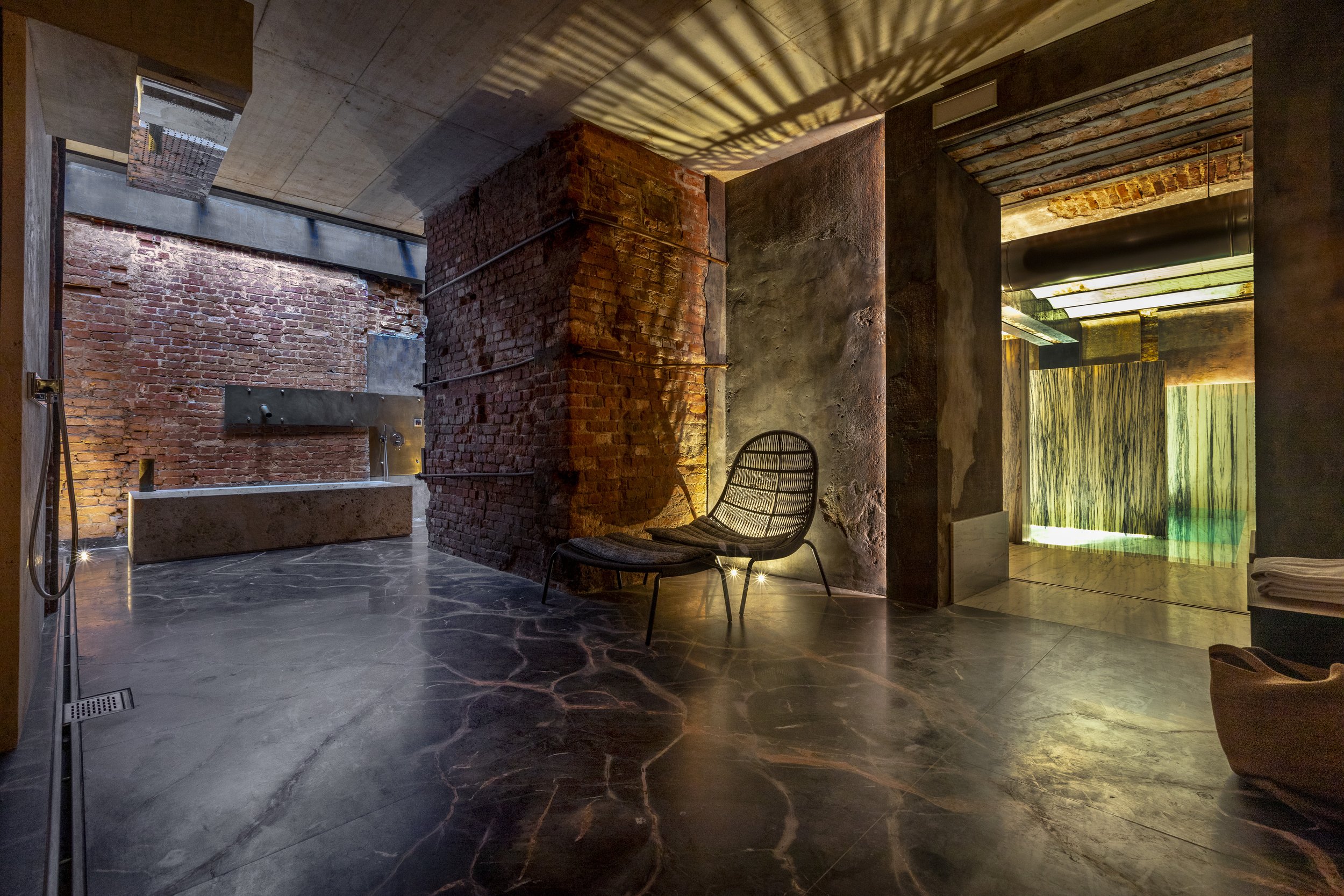
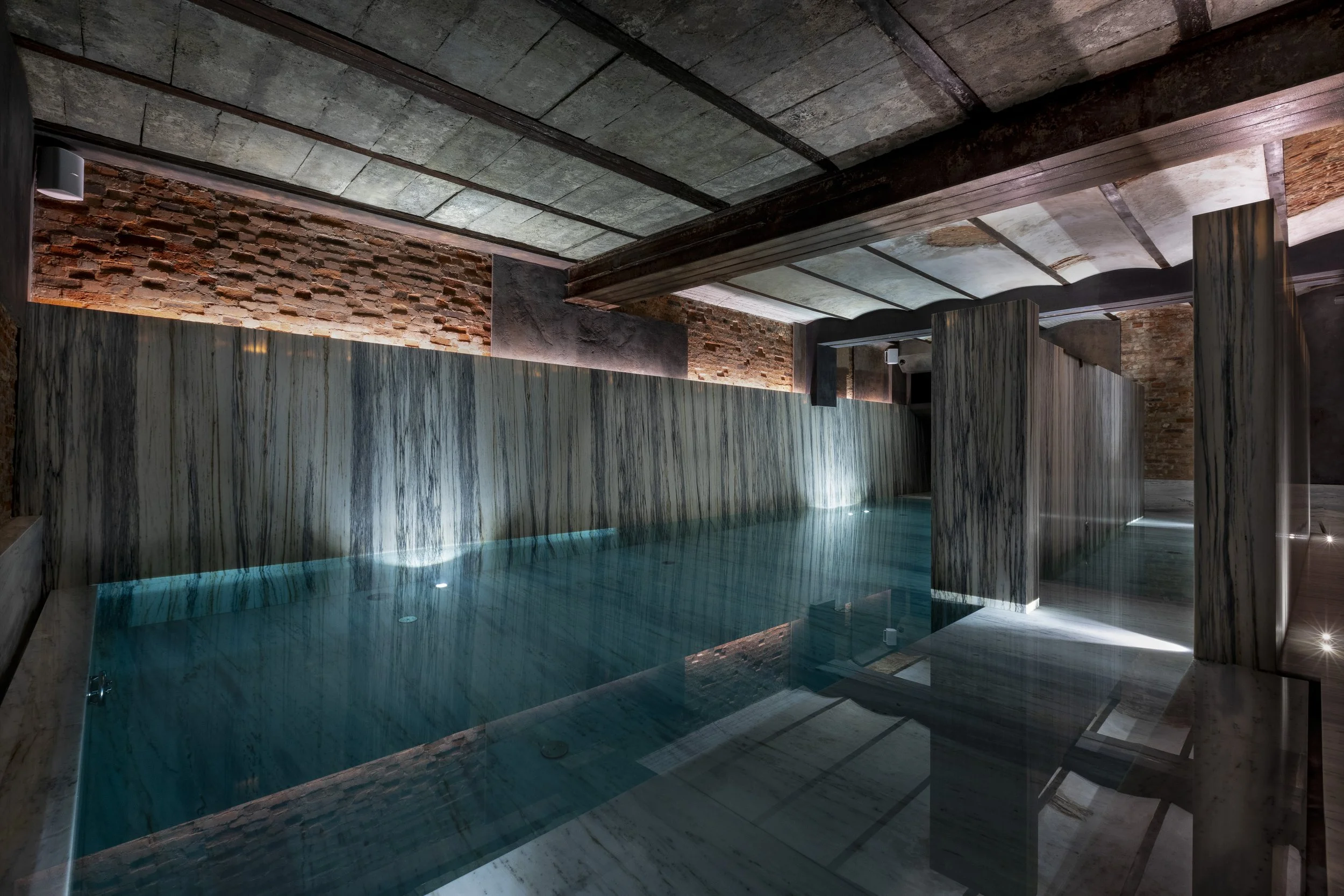
The hotel's carefully designed lighting came to life after sunset, creating warmth, depth and atmosphere throughout the interiors.
The contrast between the restored historic architecture and the contemporary refurbishment became much more apparent than it would have been during daylight hours.
The evening ambience helped communicate the experience guests can expect when staying at the hotel.
Solving the Challenges
Busy hospitality spaces rarely become completely empty.
To create clean architectural photographs while respecting guests' privacy, I used long-exposure photography with a tripod to minimise movement within the scene. Where necessary, multiple exposures were blended during post-production to remove passing guests and visual distractions while preserving the authentic atmosphere of the space.
Today, carefully applied AI tools can also assist with this process, making it possible to achieve natural-looking results even more efficiently when appropriate.
The Result
The final photographs showcase the Grand Hotel Łódź as guests experience it—welcoming, elegant and full of atmosphere—while demonstrating that high-quality hotel photography can be achieved without interrupting normal operations.
With careful planning, collaboration and an understanding of how hotels function, it is possible to create strong marketing imagery while allowing the property to continue serving its guests.
Planning a Hotel Photography Shoot?
Every hotel is different, but the same questions come up before almost every project.
How can photography take place without disturbing guests?
When is the best time to photograph public spaces?
Should exterior photographs be taken during daylight or twilight?
How should rooms and restaurants be prepared?
How can hotel operations continue while photography is taking place?
I've put together a free practical guide that answers these questions and explains how to prepare for a successful hotel photography project.